On the Way to the 250th Anniversary: Pavlovsk Discusses the Past and Future of the Imperial Residence
1 min read
437
Art historians, museum curators, diplomats, and government officials gathered at the State Museum-Reserve Pavlovsk for a symposium dedicated to the artistic traditions and cultural heritage of the imperial residence.
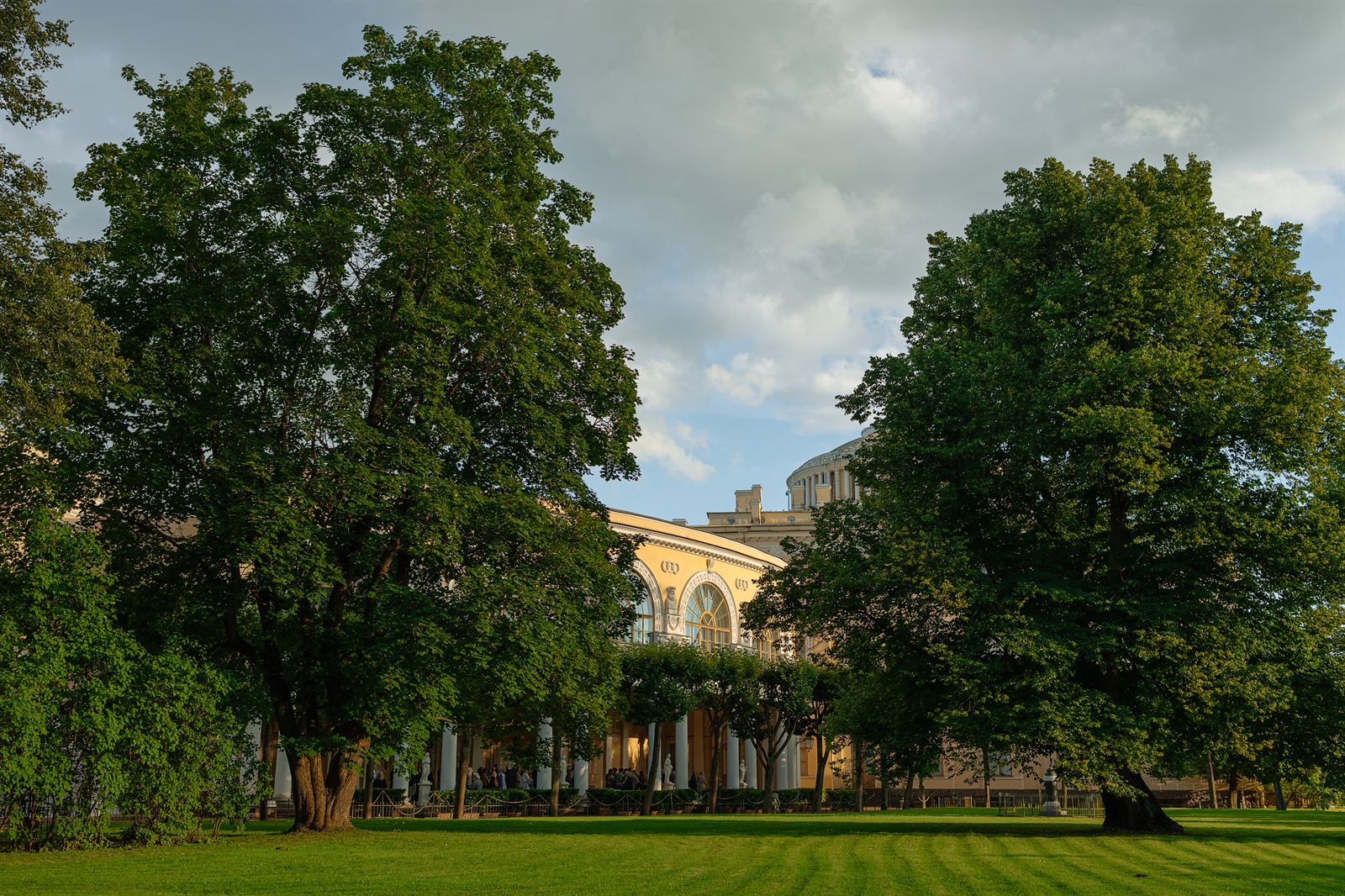
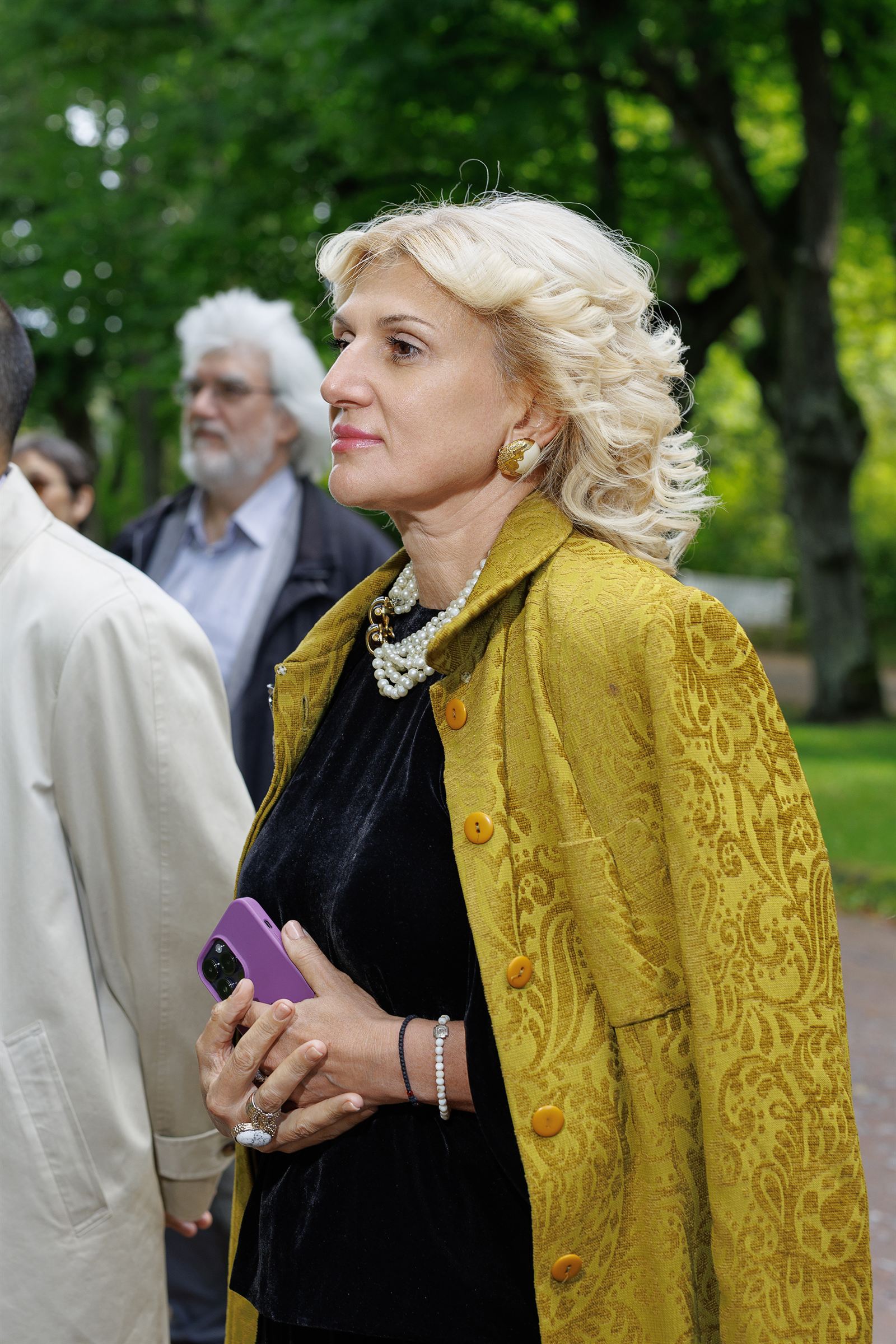
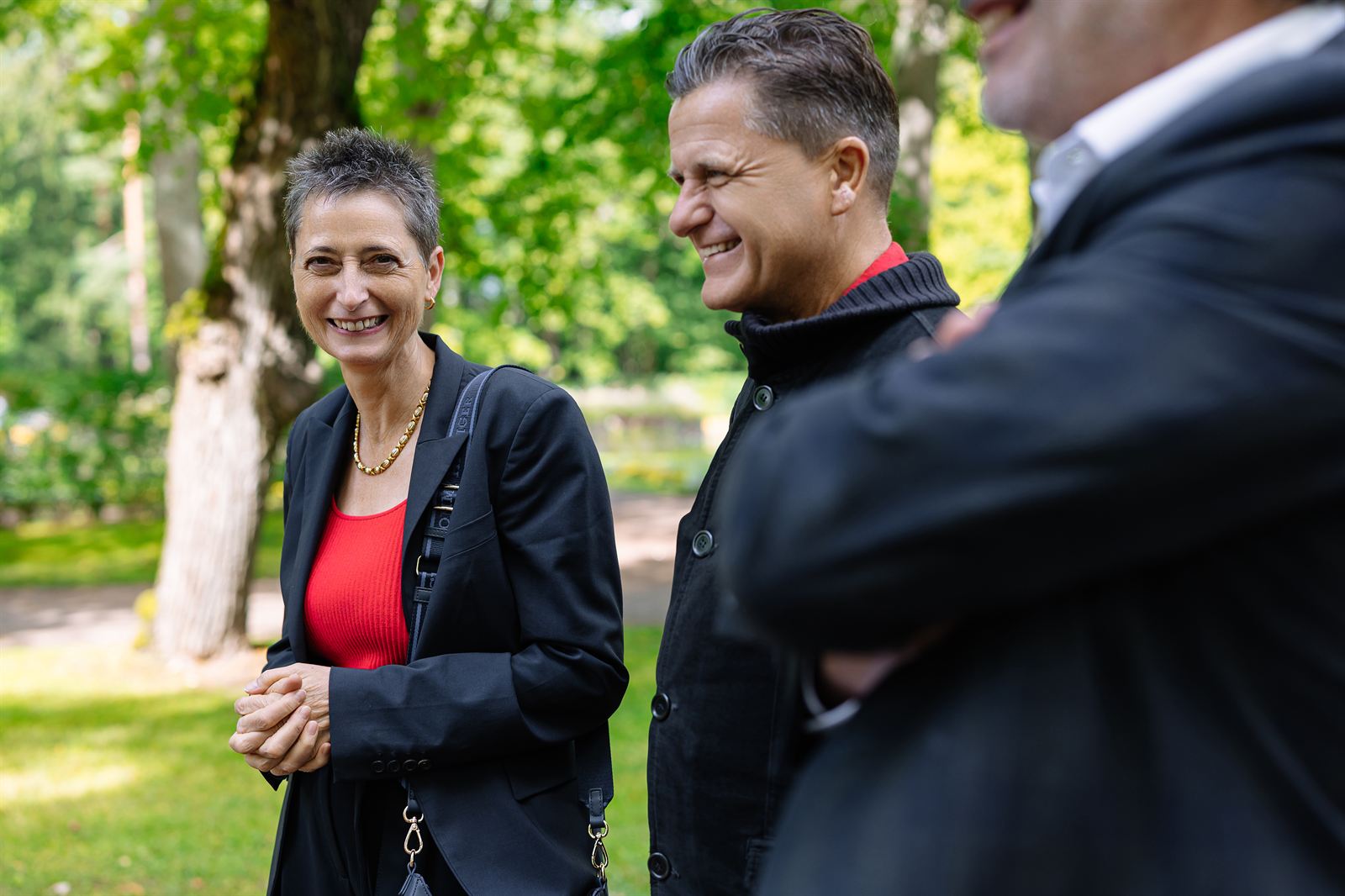
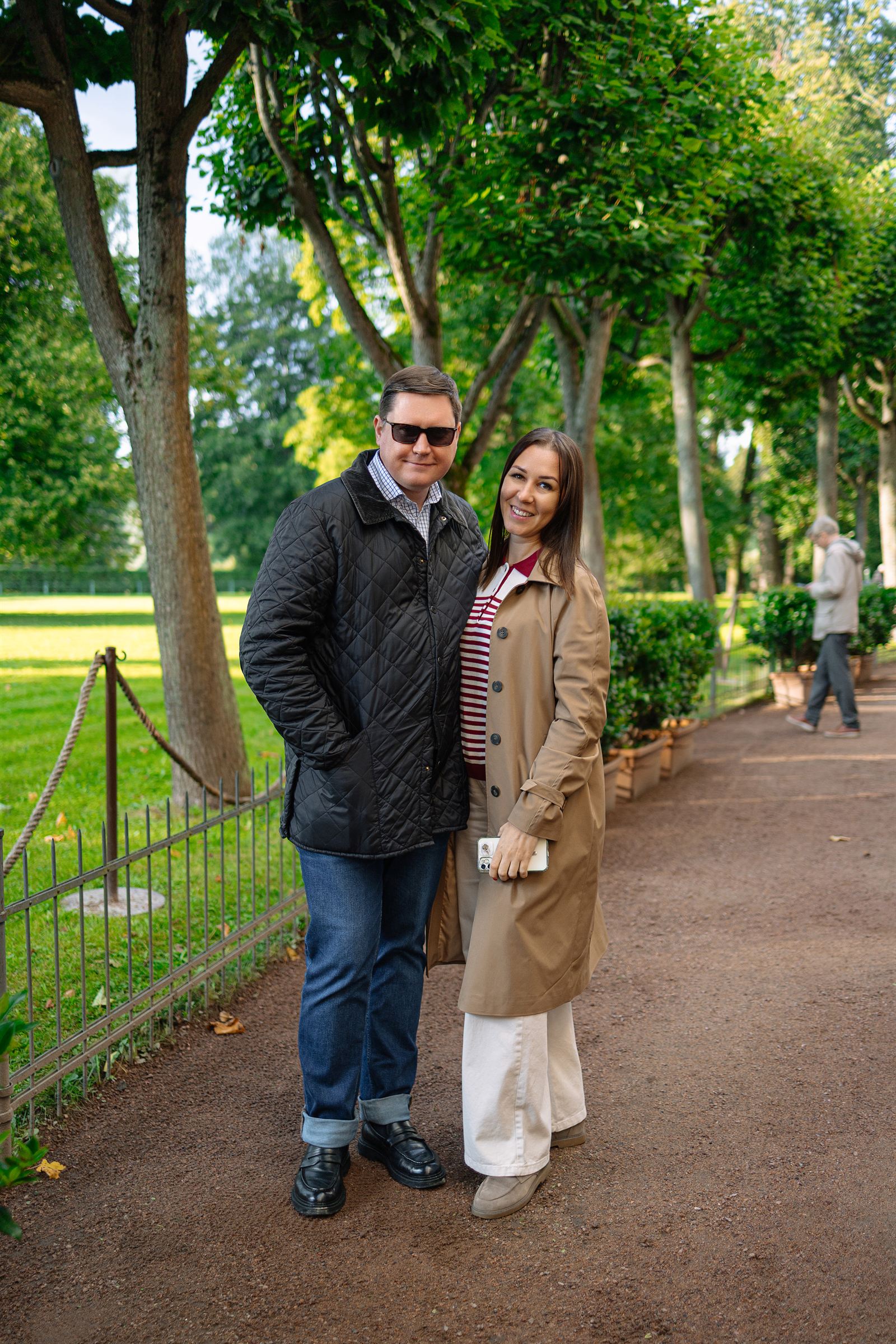
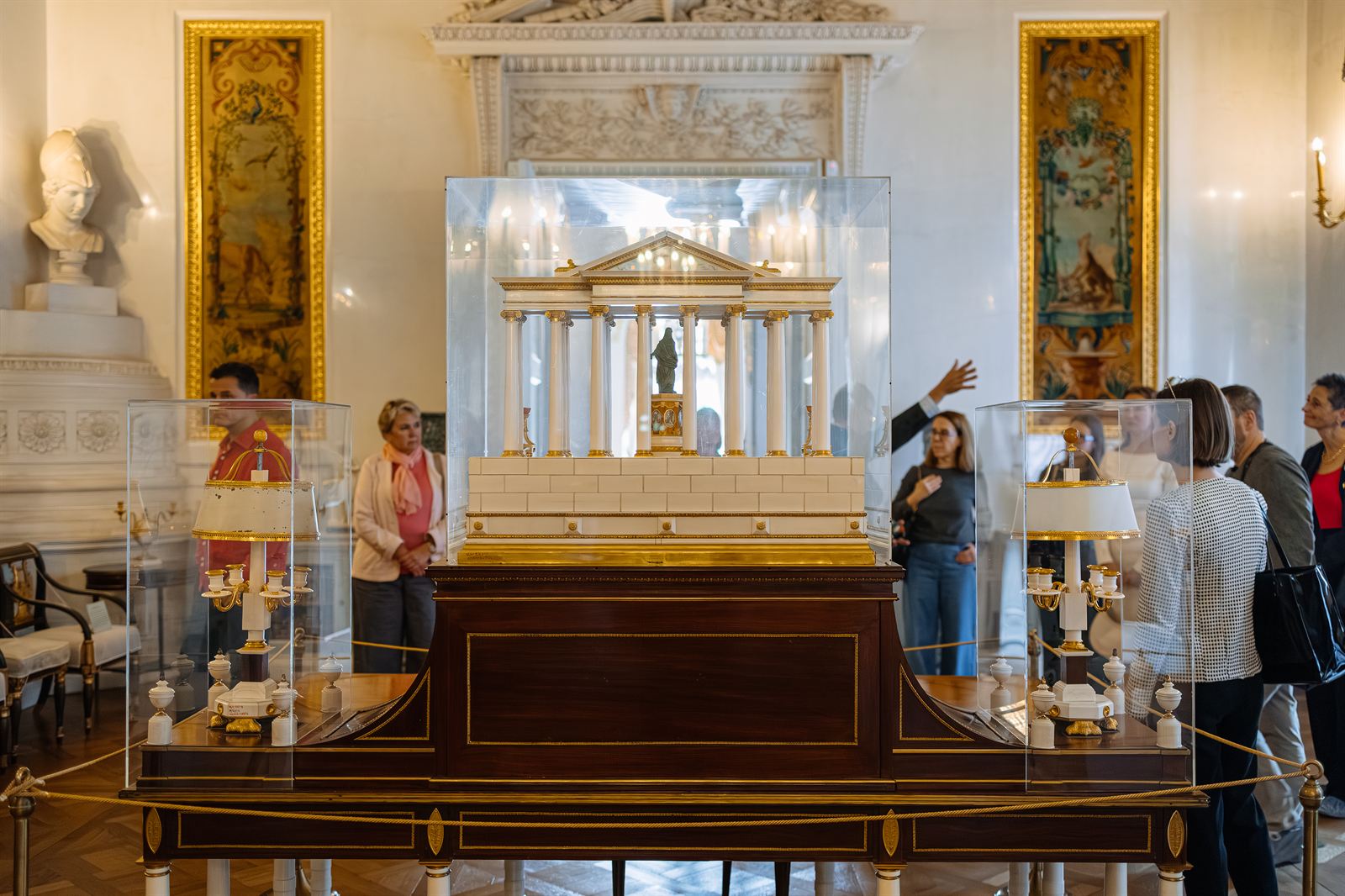
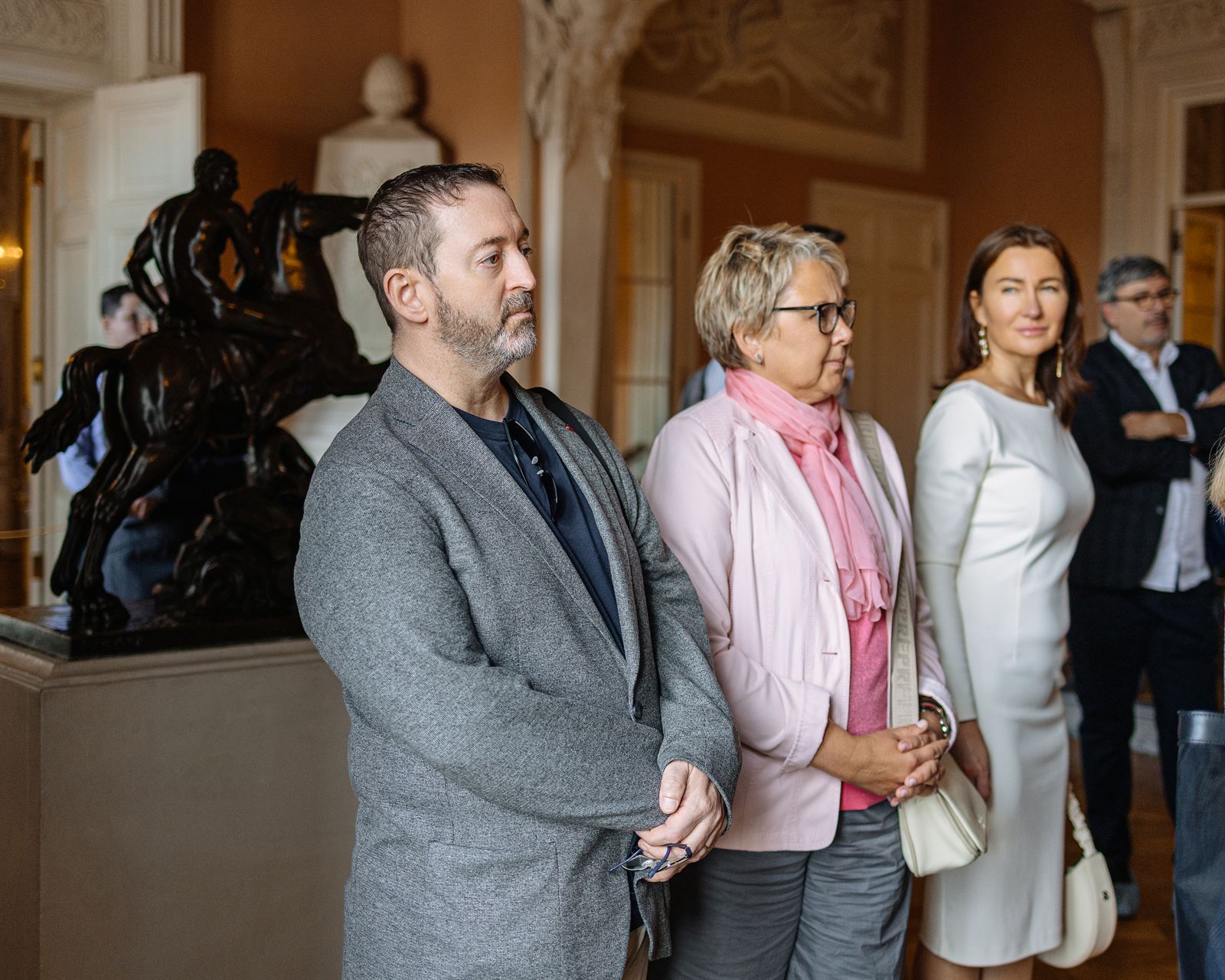
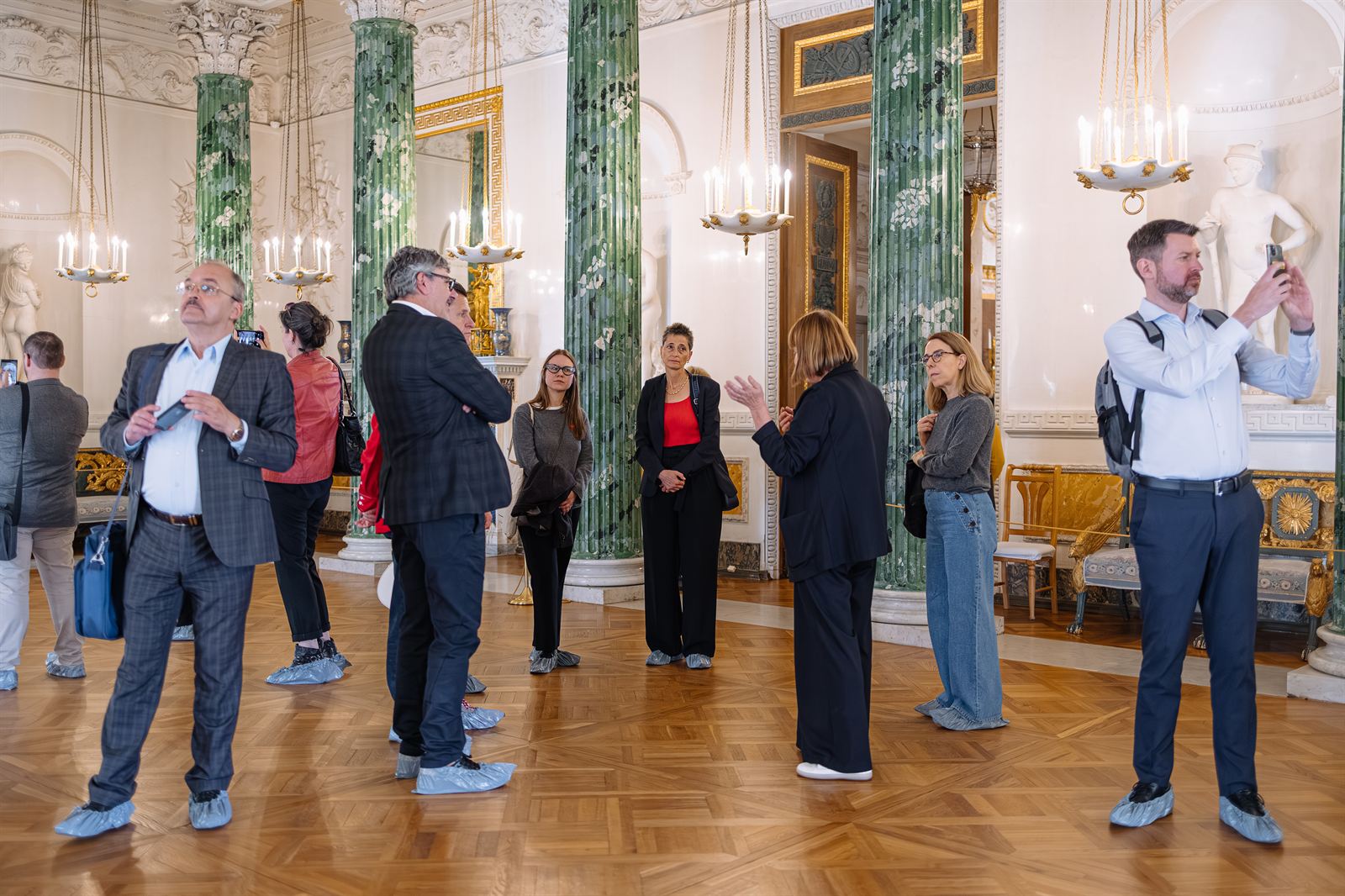
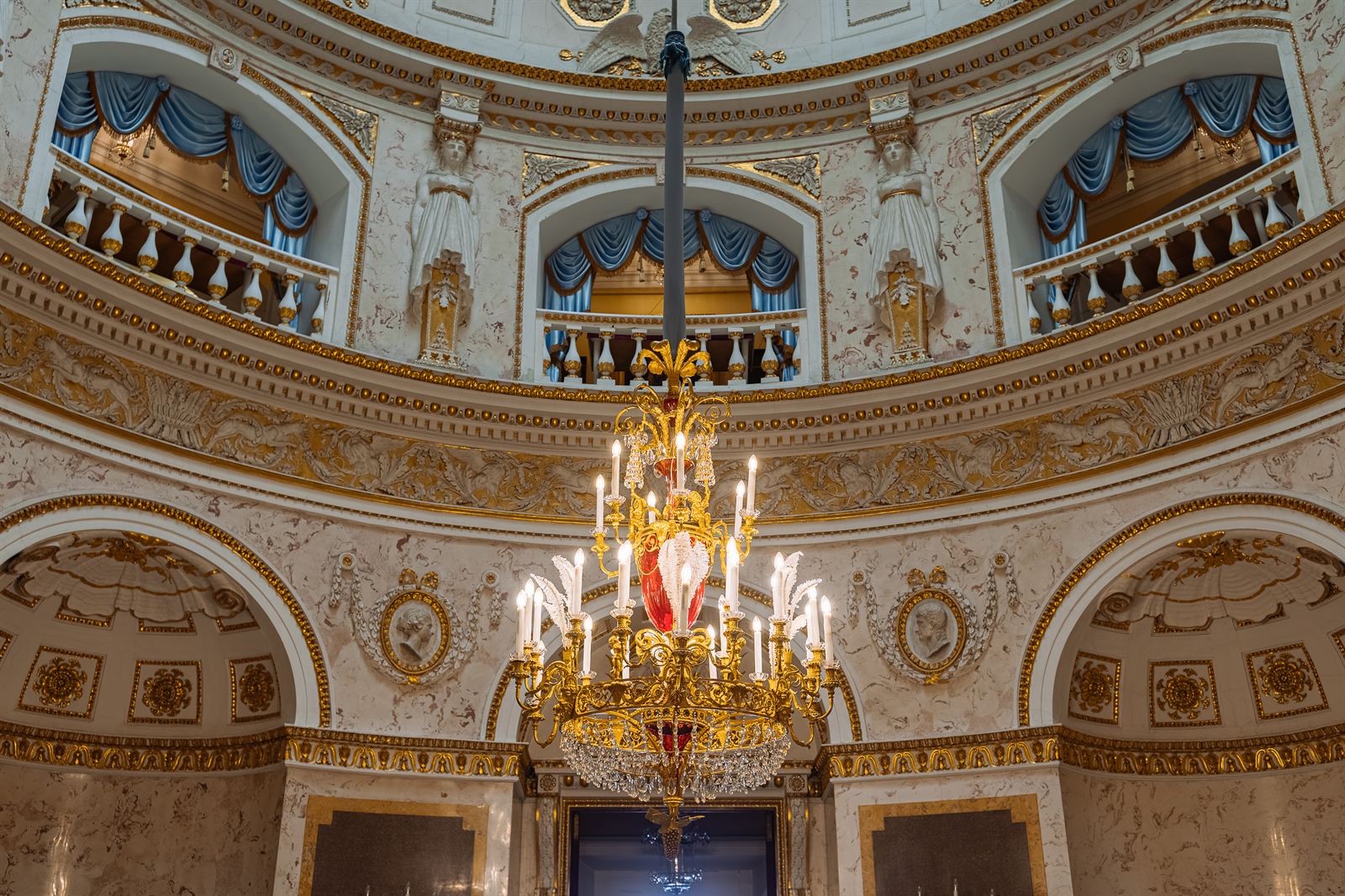
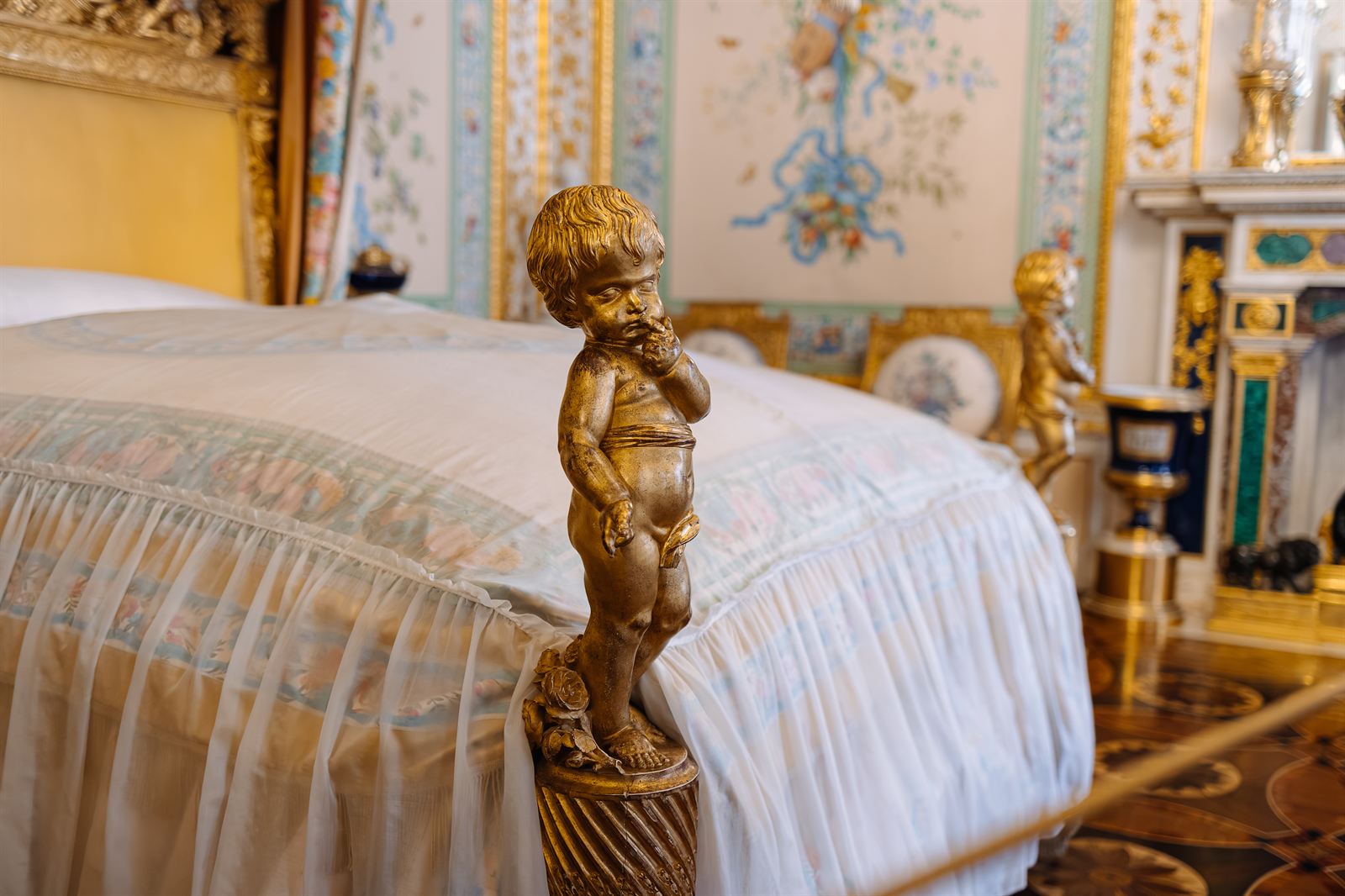
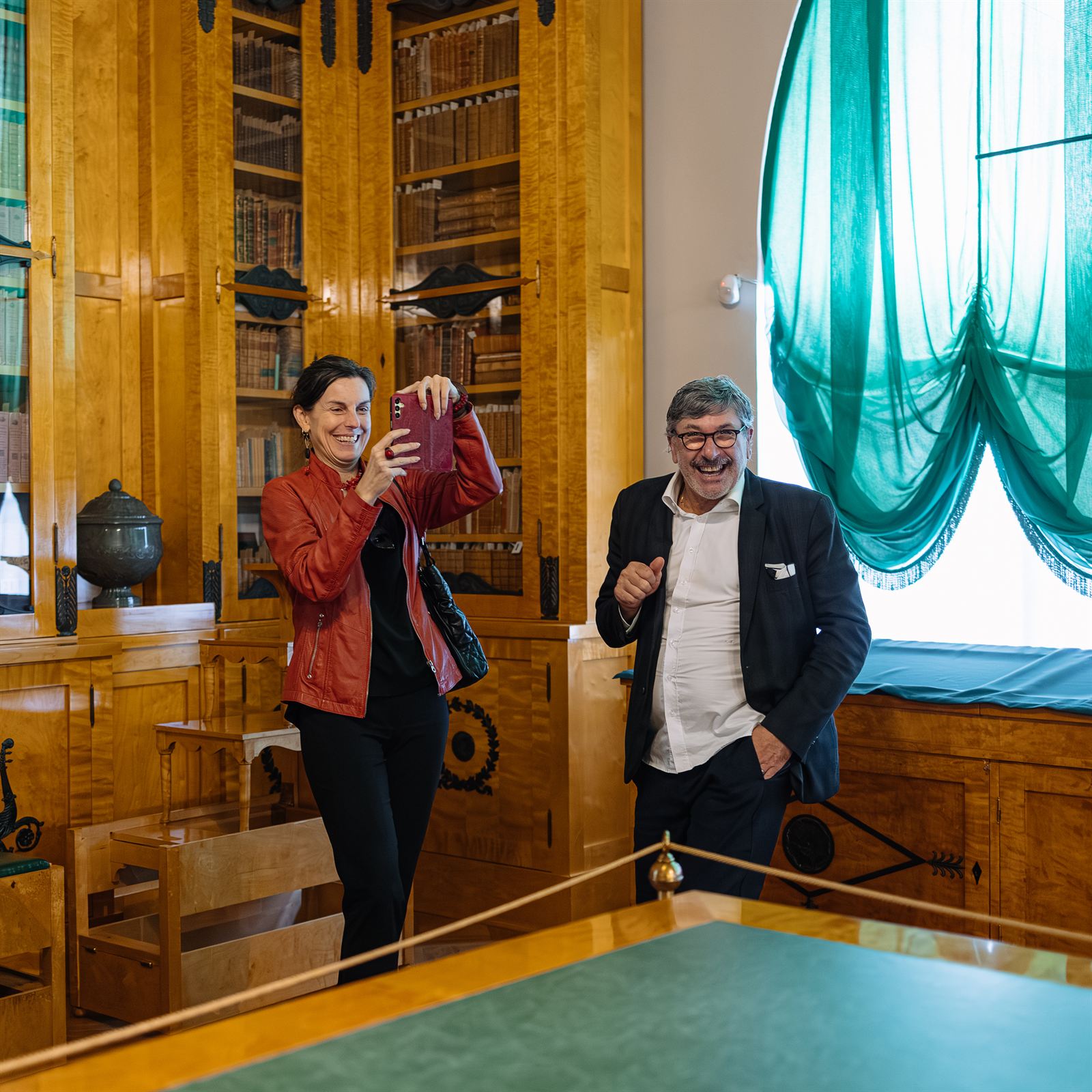
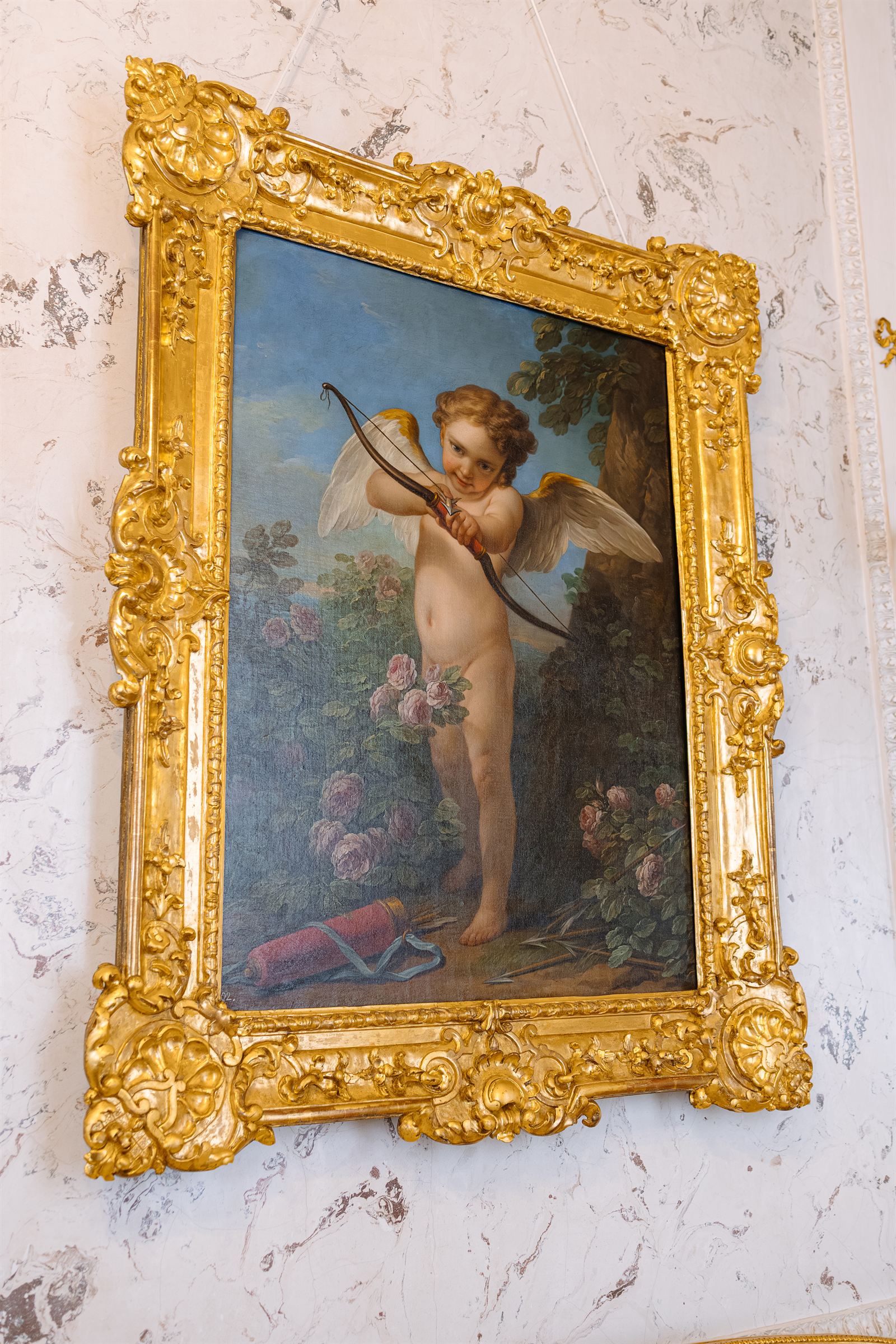
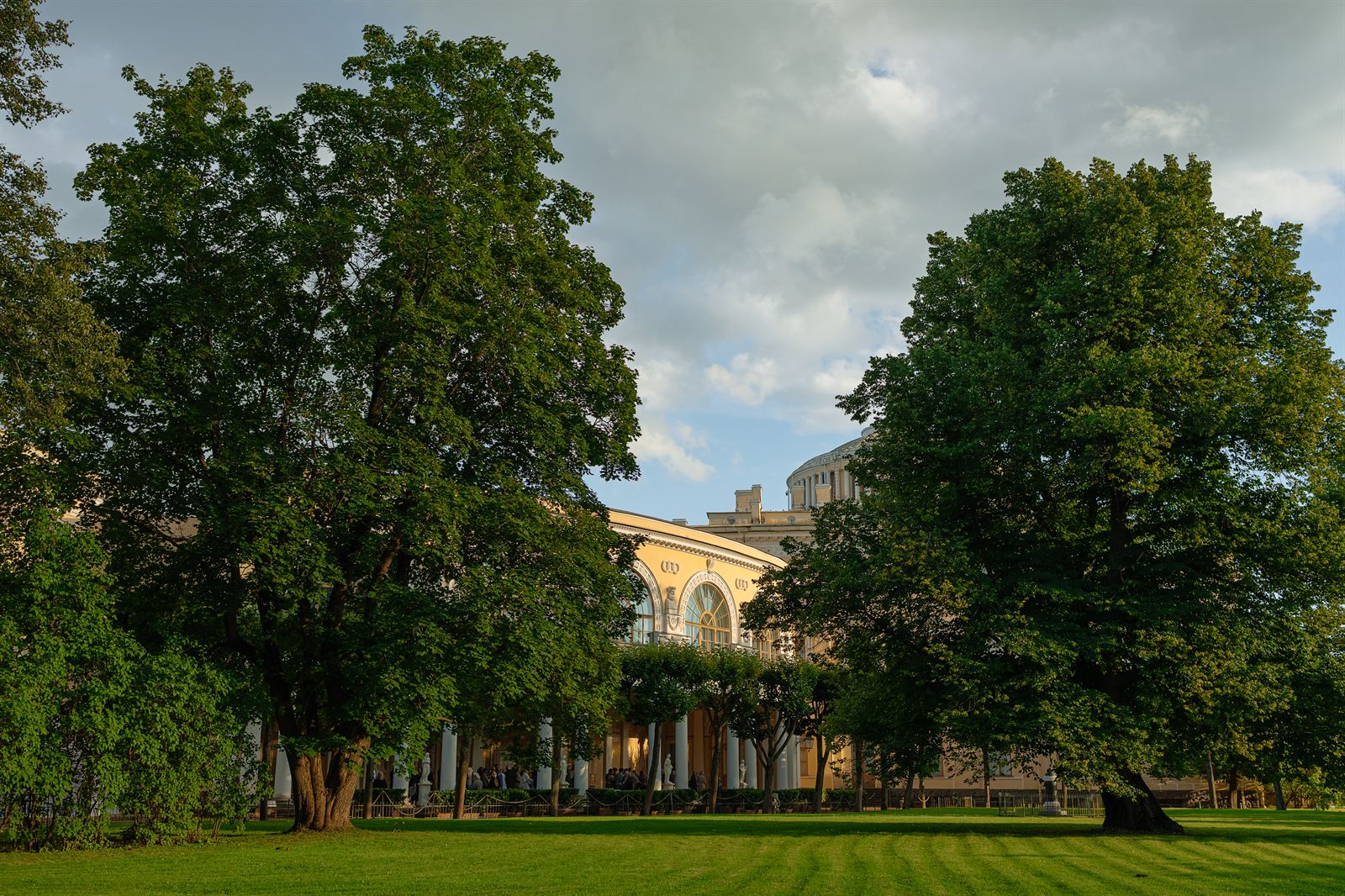 On August 28, the Worldwide St Petersburg Club and the Organizing Committee of the Golden Trezzini Awards, together with the Pavlovsk Museum-Reserve, hosted a cultural and scholarly journey to one of Russia’s premier palace-and-park ensembles. The program opened with a tour of the park and palace, followed by a session in the Concert Hall.
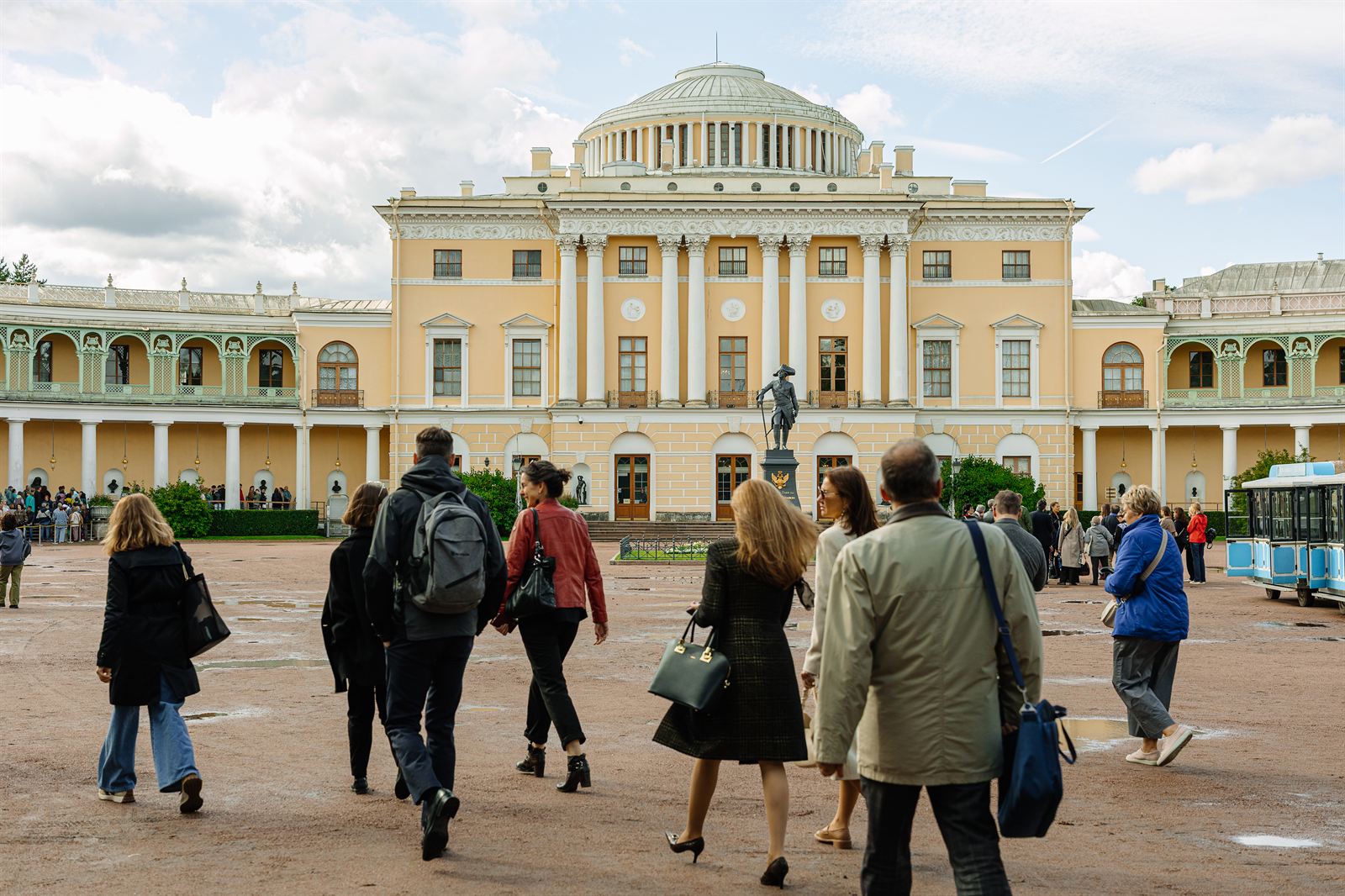
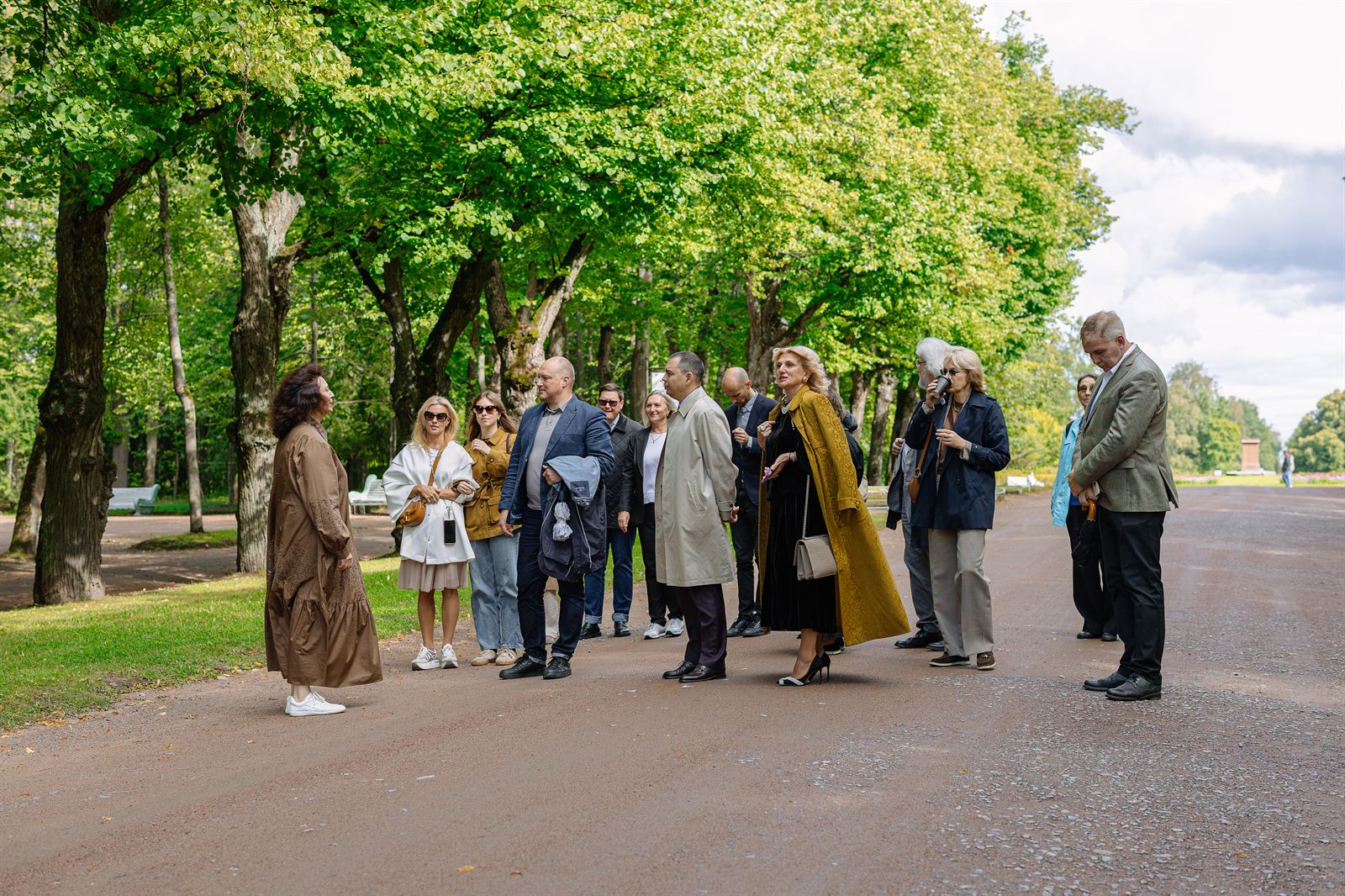
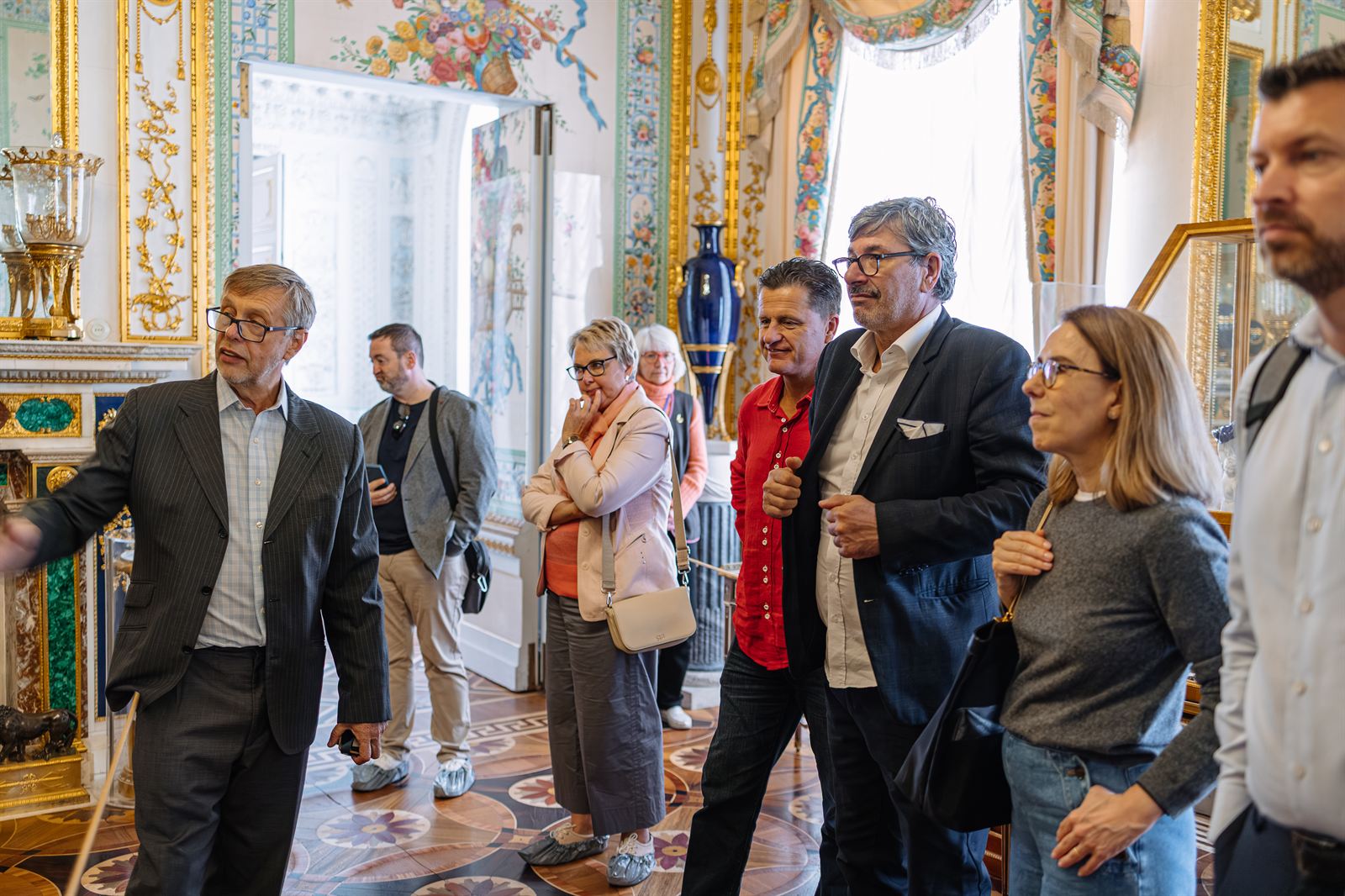 The meeting was initiated in anticipation of the 250th anniversary of the ensemble, which will be celebrated in 2027. The organizers plan to hold a series of similar events leading up to this milestone.
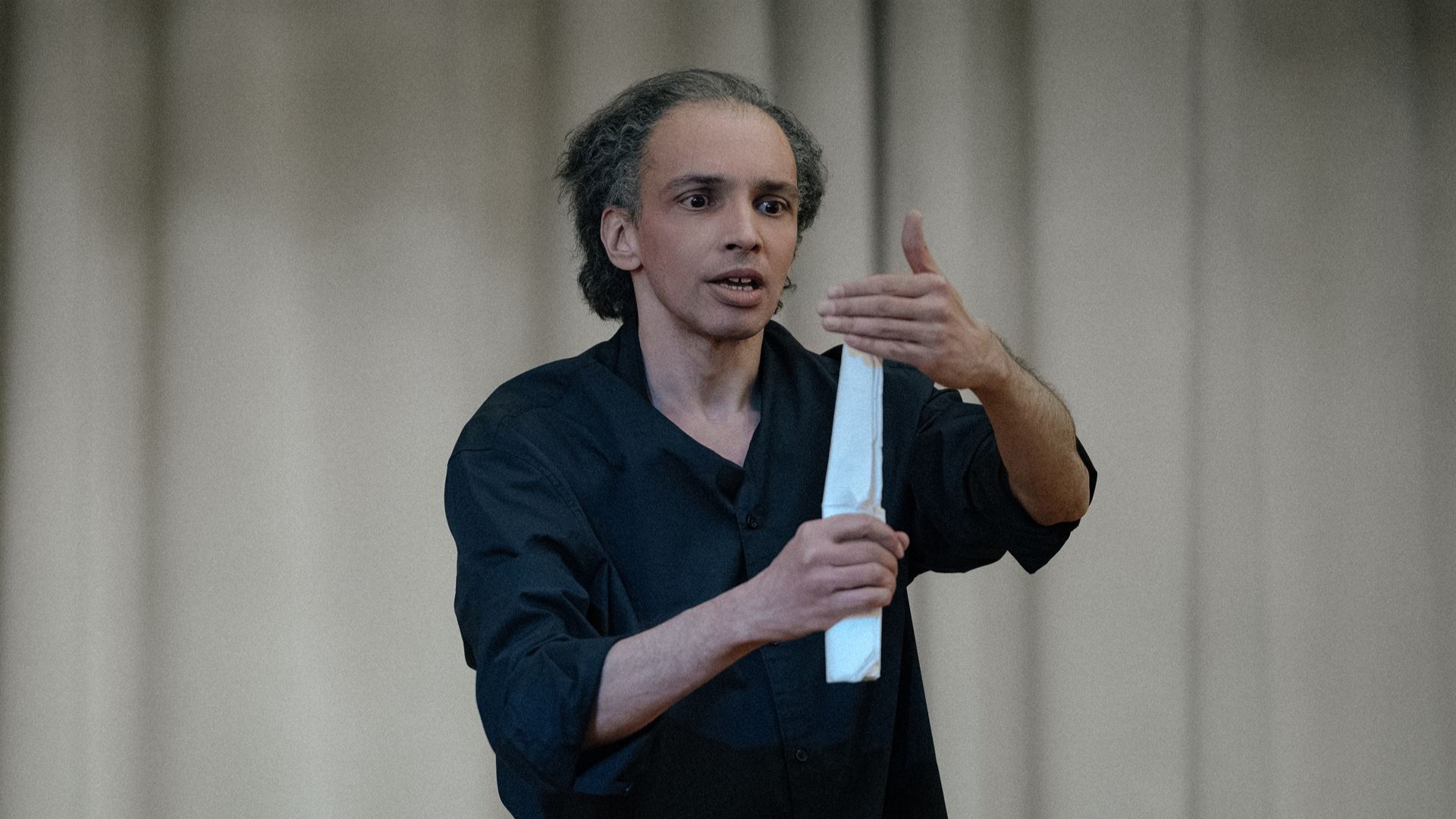
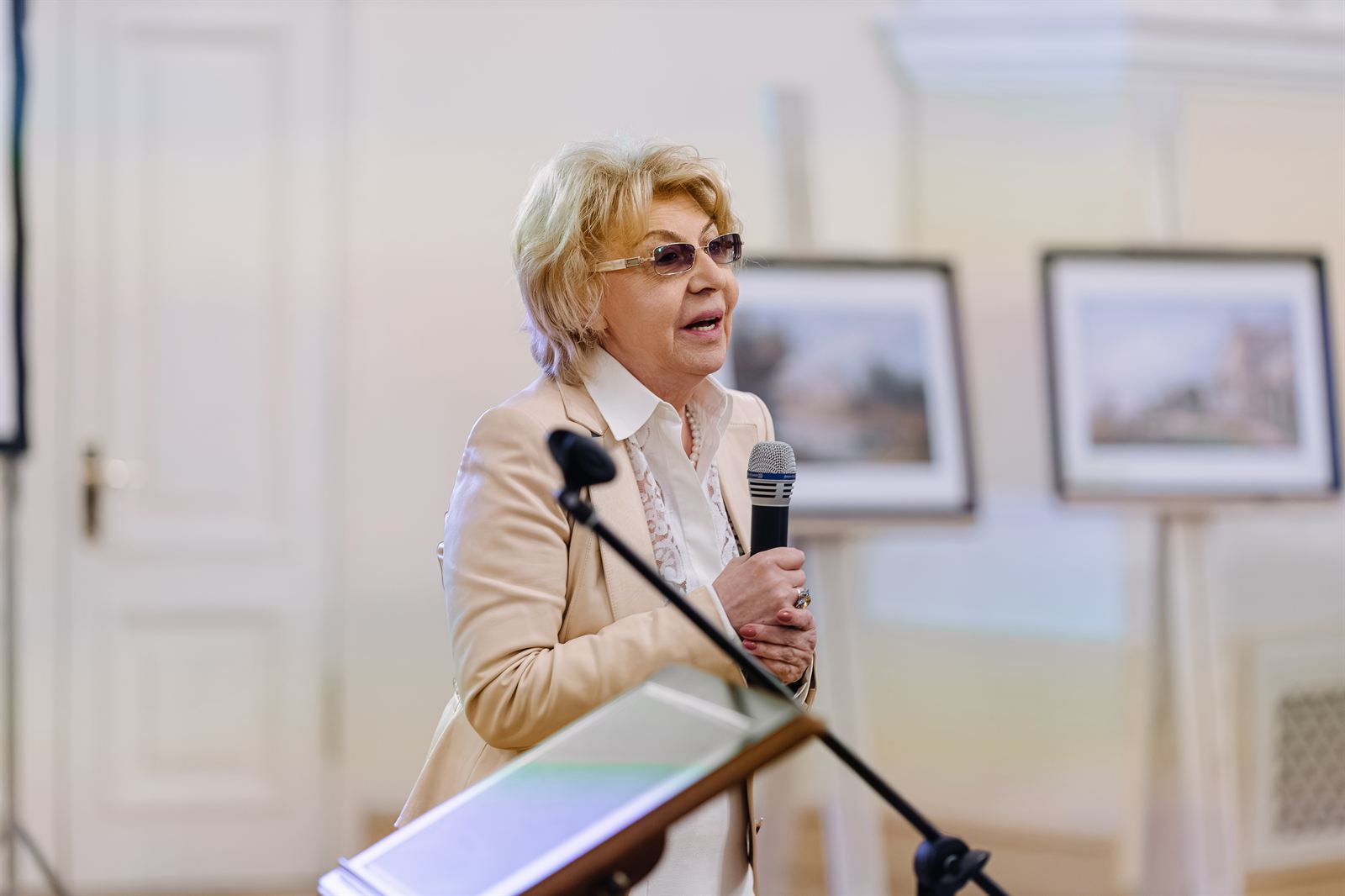
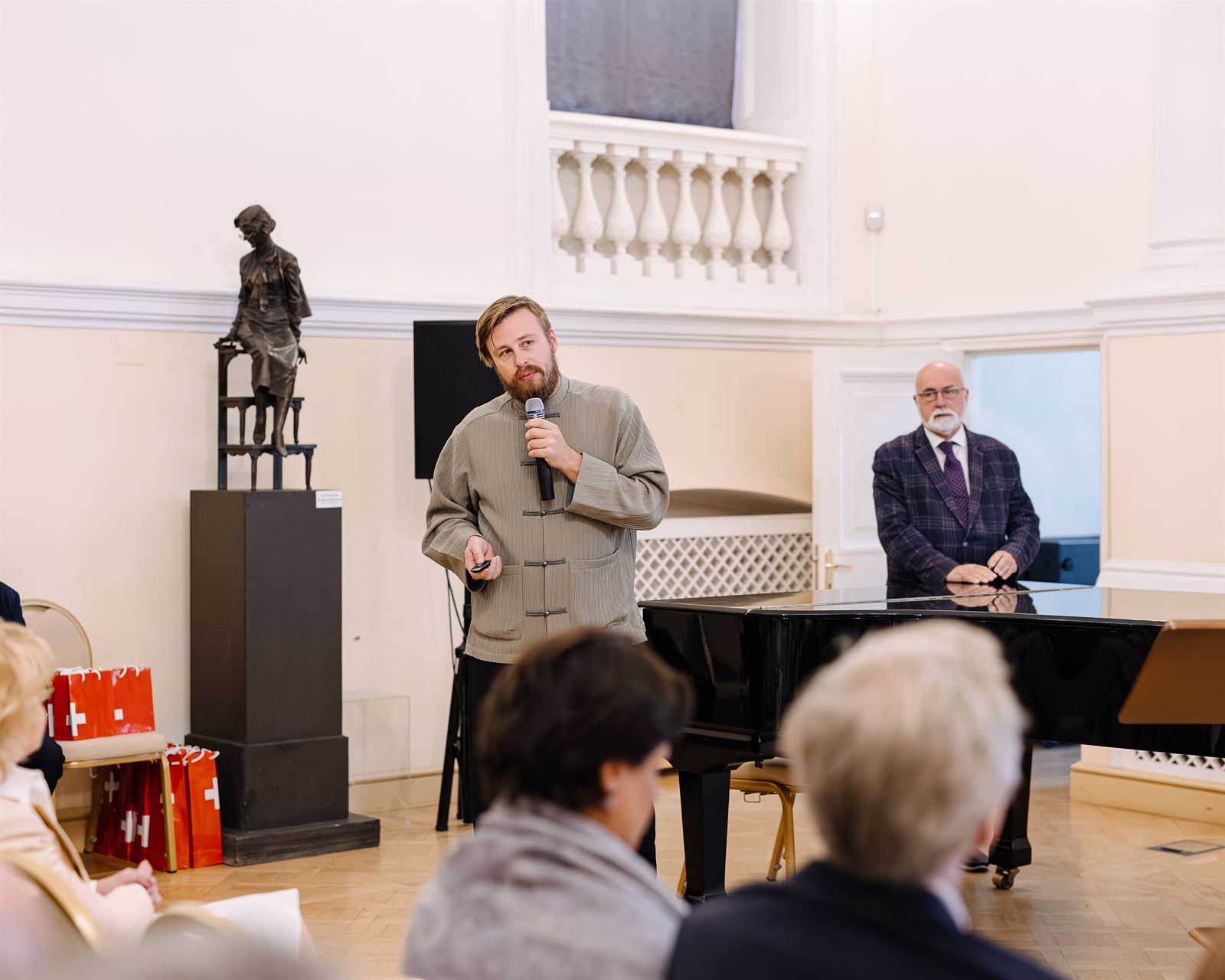
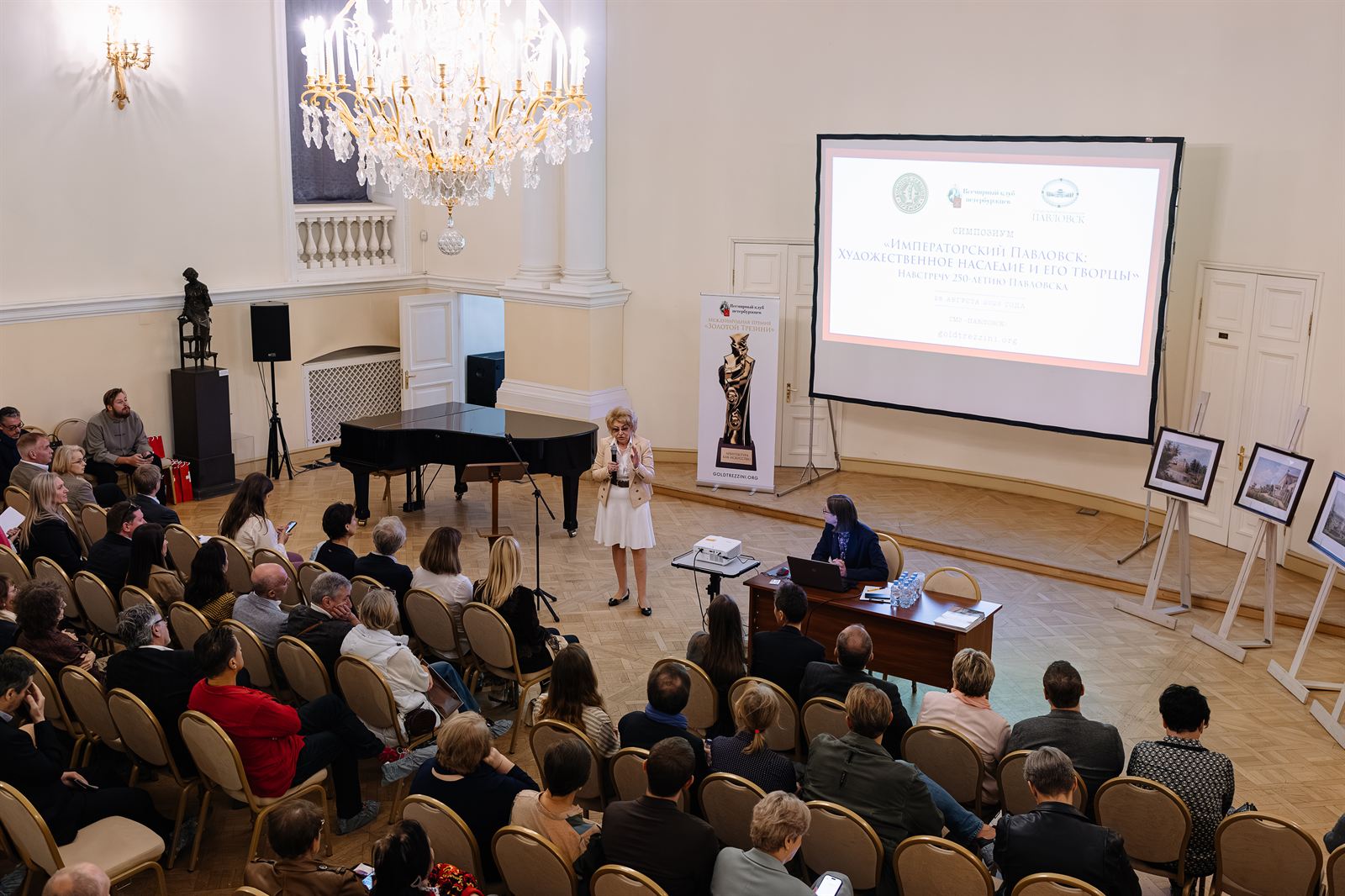
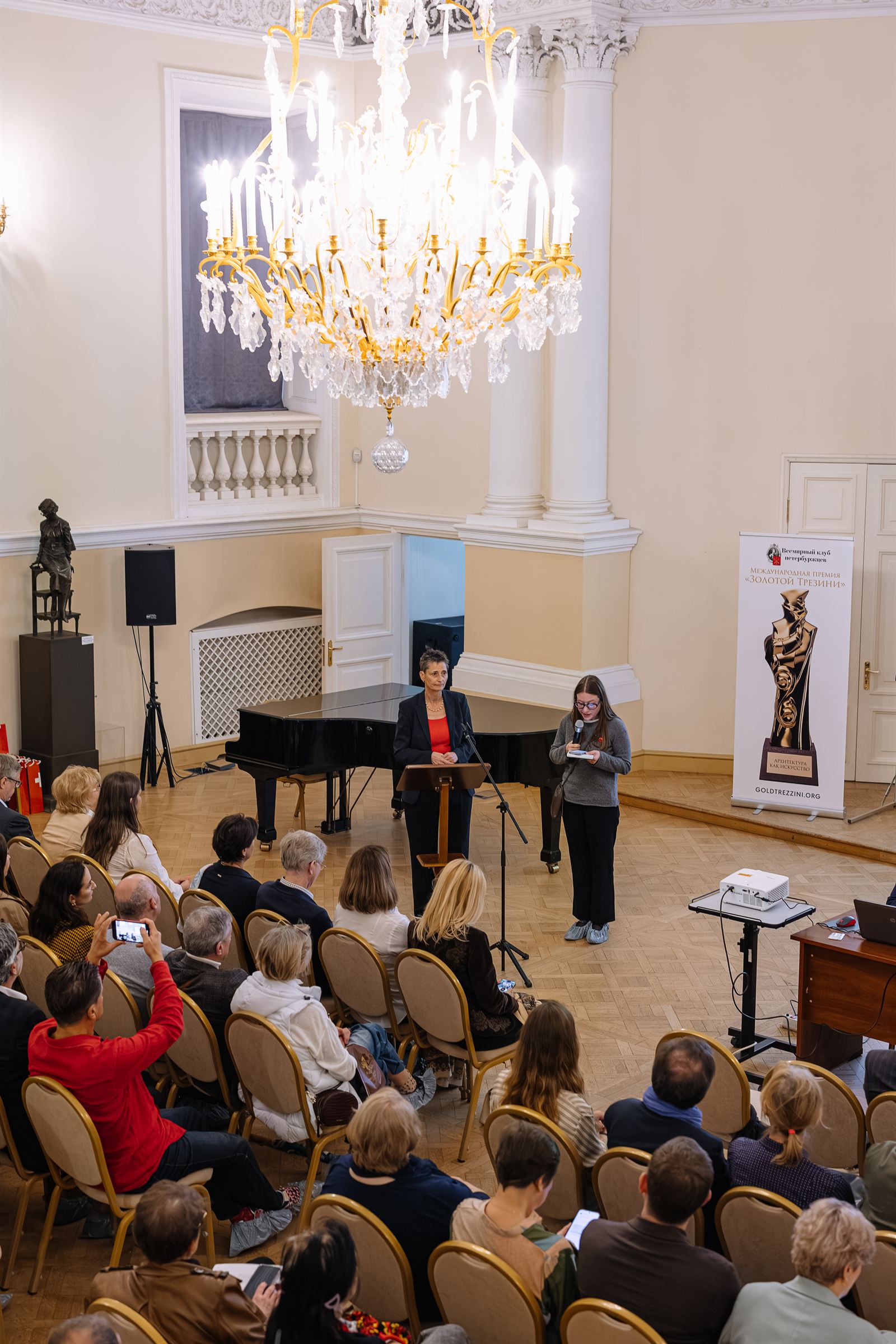
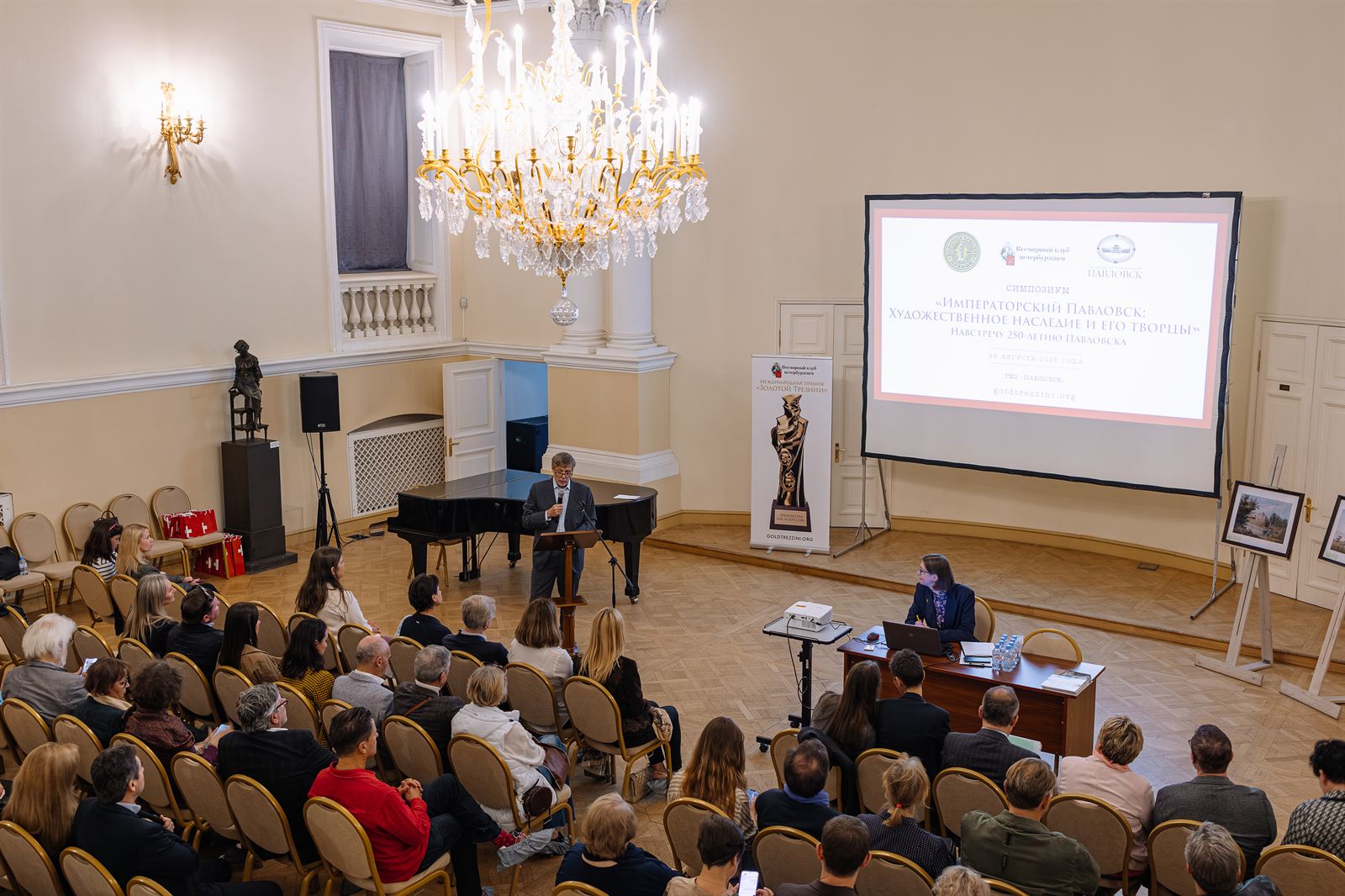
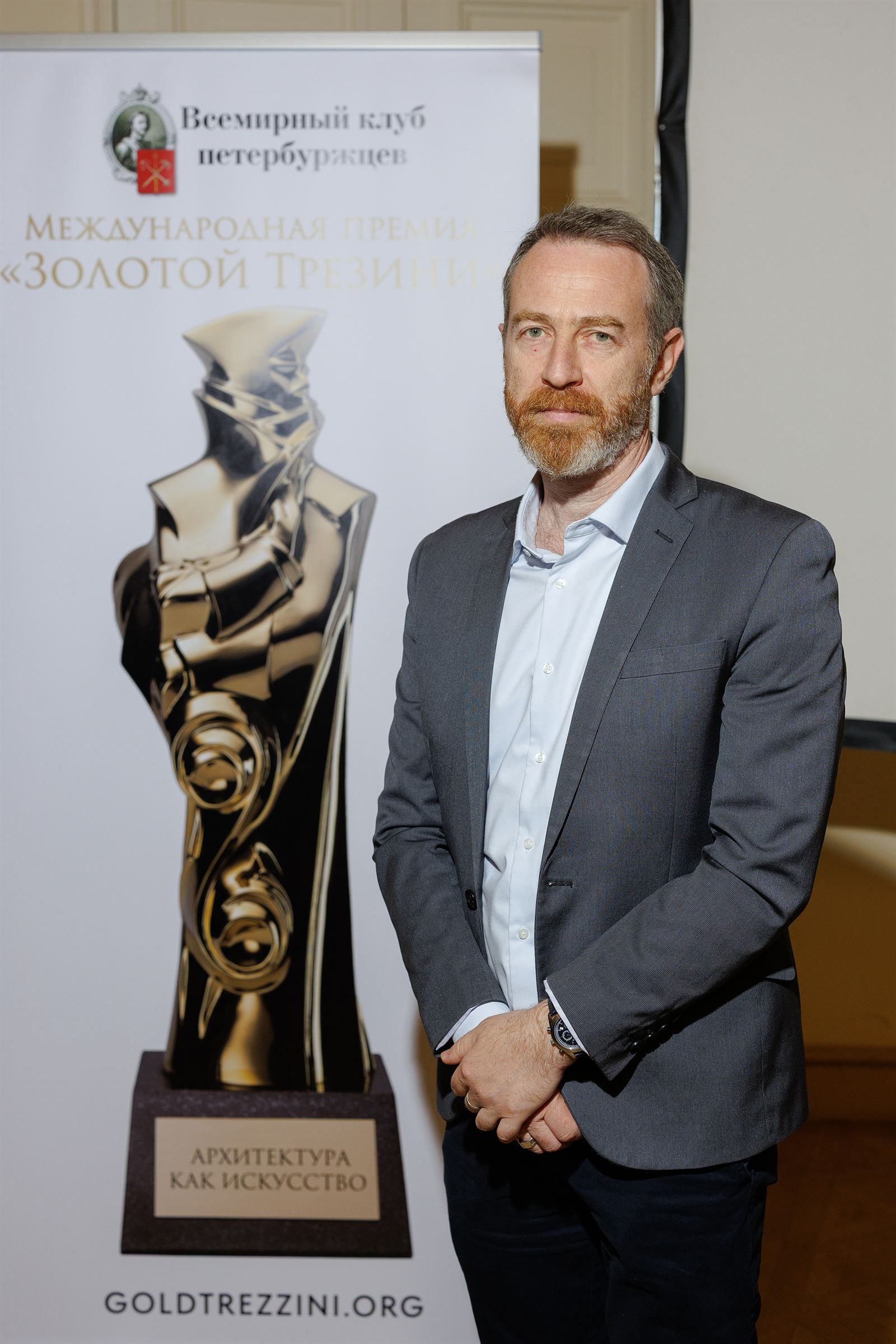
The central event of the day was the symposium “Imperial Pavlovsk: Artistic Heritage and Its Creators.” Welcoming remarks were delivered by Vera Dementyeva, Director of the Pavlovsk Museum-Reserve; Pavel Chernyakov, Chairman of the Organizing Committee of the Golden Trezzini Awards; Béatrice Latteier, Consul General of Switzerland in St. Petersburg; and Andrey Melnikov, Head of Science, Technology, Education & Innovation at the Swiss Embassy in Russia.
The meeting was initiated in anticipation of the 250th anniversary of the ensemble, which will be celebrated in 2027. The organizers plan to hold a series of similar events leading up to this milestone.
The central event of the day was the symposium “Imperial Pavlovsk: Artistic Heritage and Its Creators.” Welcoming remarks were delivered by Vera Dementyeva, Director of the Pavlovsk Museum-Reserve; Pavel Chernyakov, Chairman of the Organizing Committee of the Golden Trezzini Awards; Béatrice Latteier, Consul General of Switzerland in St. Petersburg; and Andrey Melnikov, Head of Science, Technology, Education & Innovation at the Swiss Embassy in Russia.
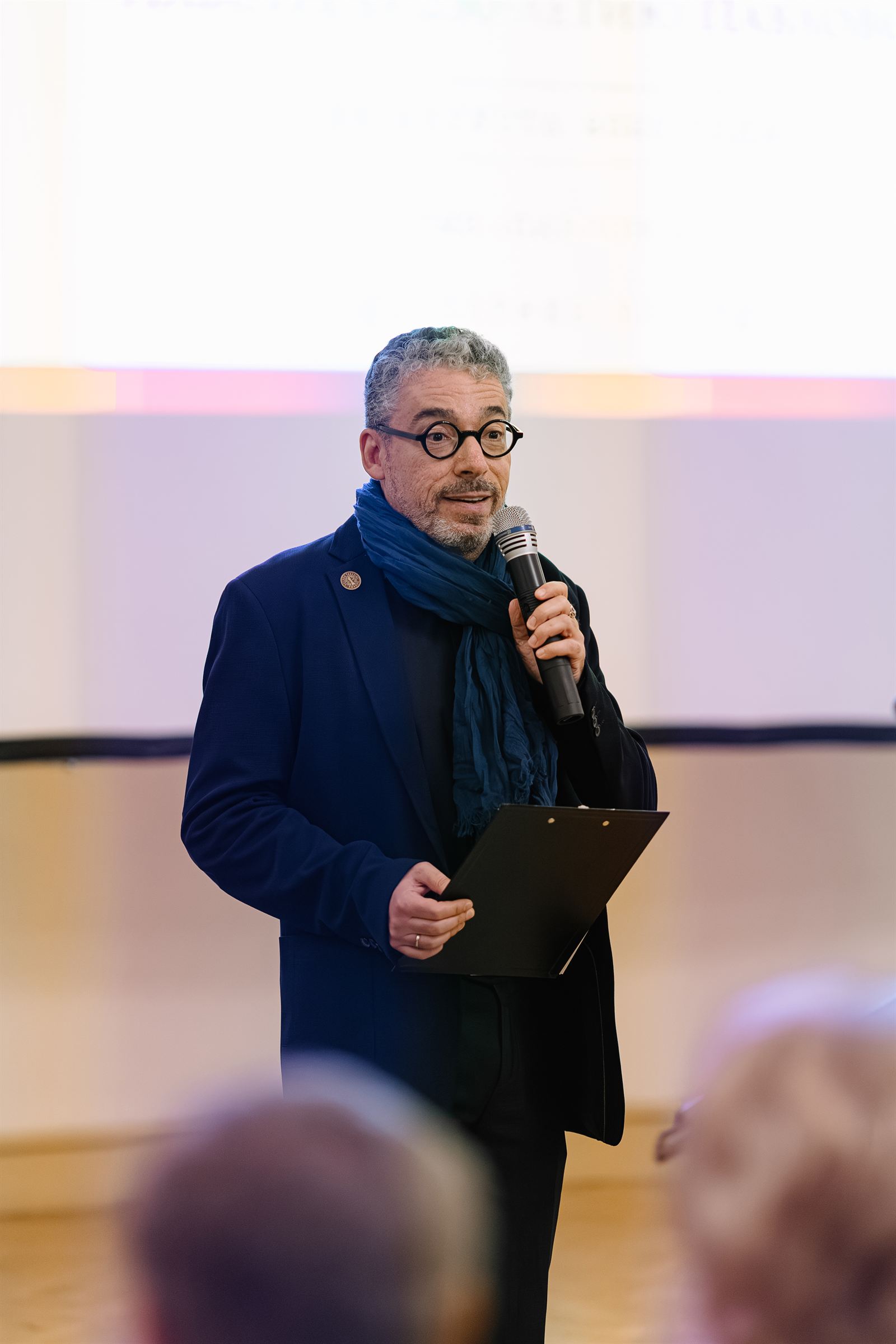
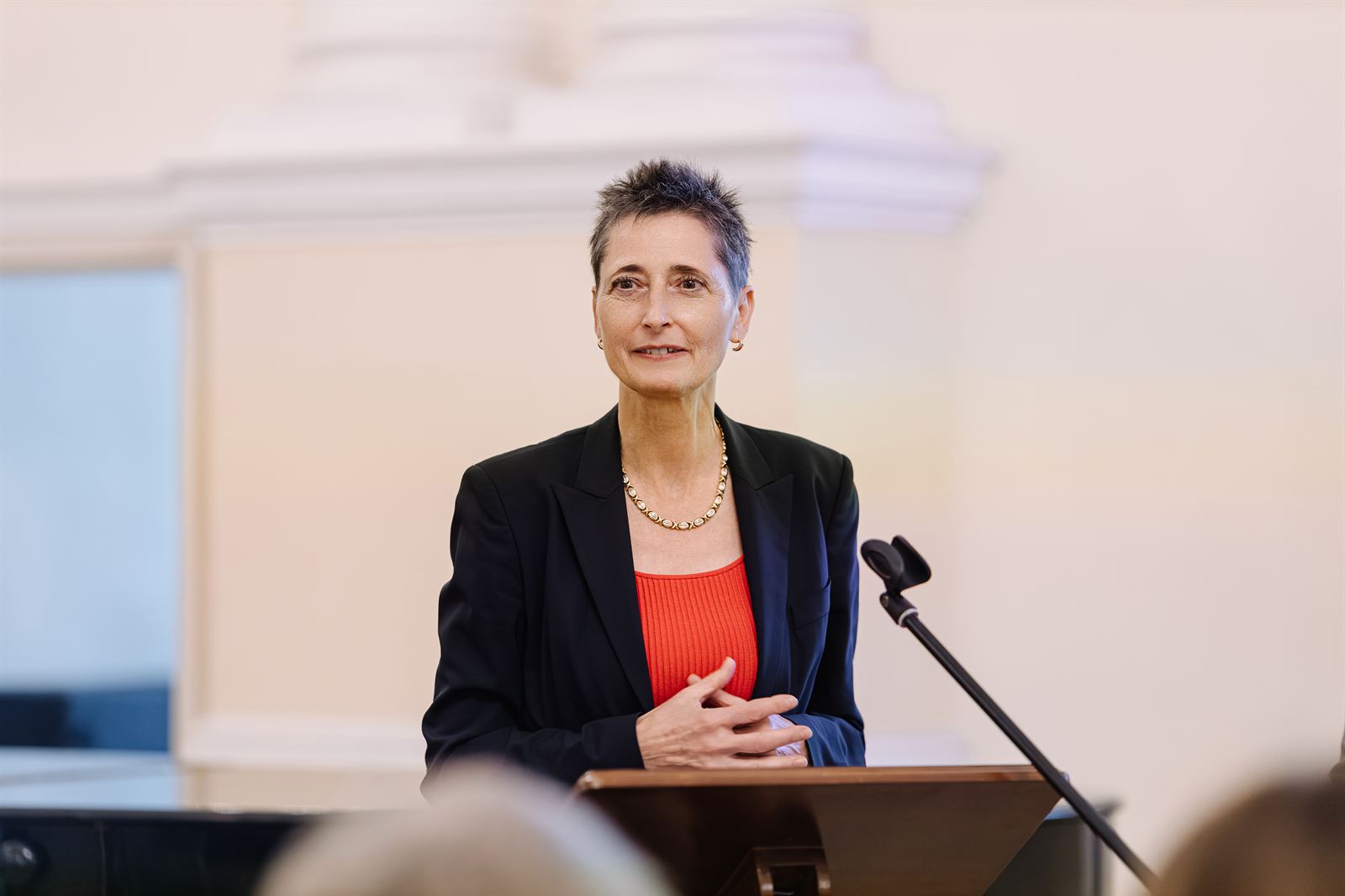
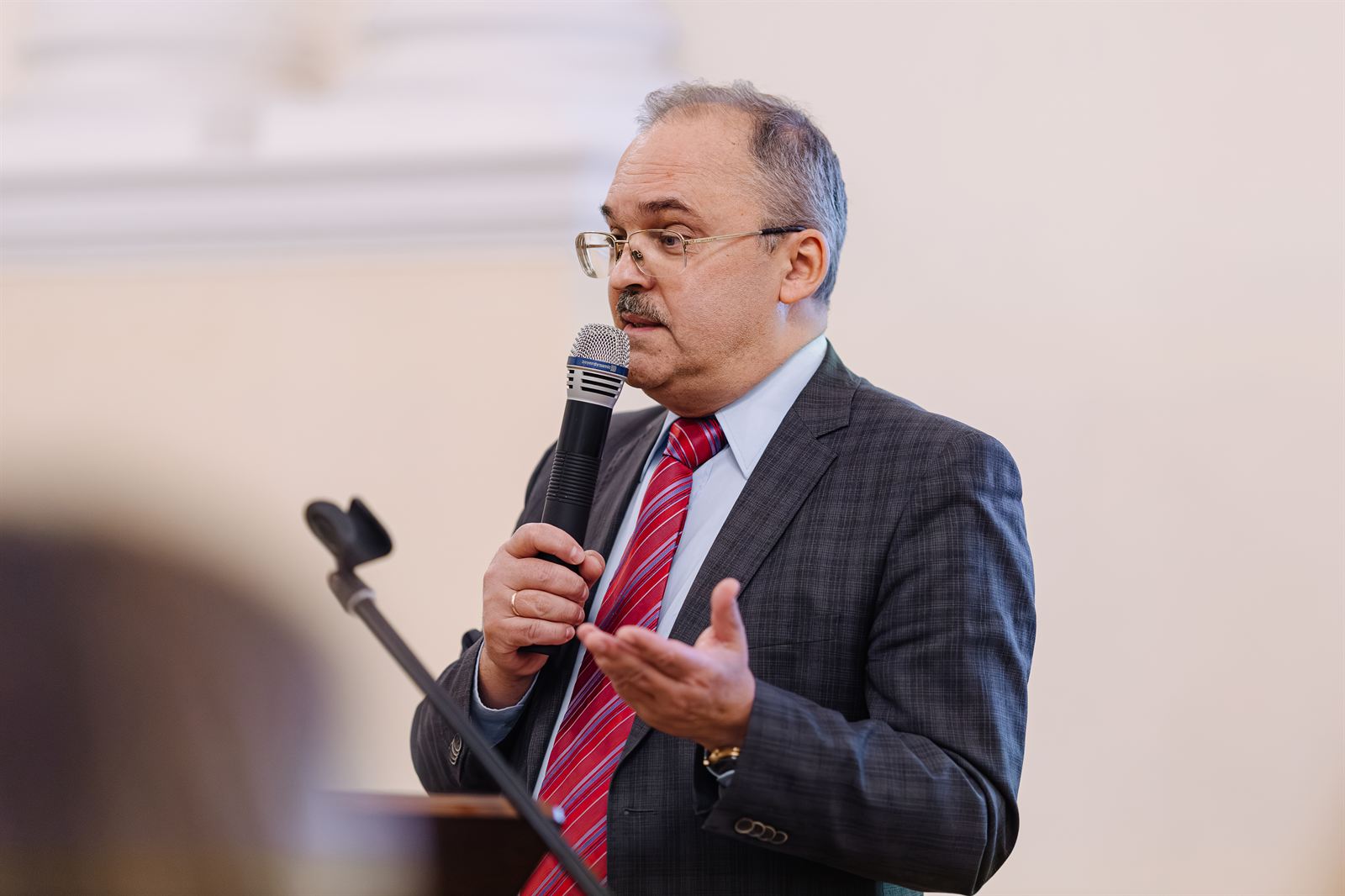 The participation of representatives of the Swiss diplomatic mission was no coincidence. The symposium program paid particular attention to the contribution of European masters, including those from Switzerland, to the creation of the Pavlovsk ensemble.
In her address, Vera Dementyeva outlined the global significance of Pavlovsk in artistic culture, pointing to some unexpected ways in which the imperial residence, as a holistic artistic phenomenon, influenced not only Russian but also European culture.
Alexey Guzanov, Deputy Director for Collection Management and Chief Curator of the Pavlovsk Museum-Reserve, focused his talk on two outstanding Swiss figures who left their mark on Pavlovsk. The first was Johann Jakob Meyer, a renowned watercolorist of the mid-19th century, whose views of imperial palaces and gardens around St. Petersburg are invaluable for studying and reconstructing the authentic appearance of historic buildings and landscapes. A large collection of Meyer’s works is preserved in Pavlovsk, and for the symposium a special exhibition of his views of the park and palace was mounted in the Concert Hall. The second figure highlighted by Guzanov was architect Henri François Gabriel Viollier, “Inspector of the Cabinet of Paintings and Prints” at the court of Paul I and the principal creator of the interiors of the Pavlovsk Palace. Viollier also designed the interior of the park pavilion “Old Chalet,” which was irreparably damaged during the Second World War and only began to be restored in the 21st century. Today, the pavilion is almost fully rebuilt.
The participation of representatives of the Swiss diplomatic mission was no coincidence. The symposium program paid particular attention to the contribution of European masters, including those from Switzerland, to the creation of the Pavlovsk ensemble.
In her address, Vera Dementyeva outlined the global significance of Pavlovsk in artistic culture, pointing to some unexpected ways in which the imperial residence, as a holistic artistic phenomenon, influenced not only Russian but also European culture.
Alexey Guzanov, Deputy Director for Collection Management and Chief Curator of the Pavlovsk Museum-Reserve, focused his talk on two outstanding Swiss figures who left their mark on Pavlovsk. The first was Johann Jakob Meyer, a renowned watercolorist of the mid-19th century, whose views of imperial palaces and gardens around St. Petersburg are invaluable for studying and reconstructing the authentic appearance of historic buildings and landscapes. A large collection of Meyer’s works is preserved in Pavlovsk, and for the symposium a special exhibition of his views of the park and palace was mounted in the Concert Hall. The second figure highlighted by Guzanov was architect Henri François Gabriel Viollier, “Inspector of the Cabinet of Paintings and Prints” at the court of Paul I and the principal creator of the interiors of the Pavlovsk Palace. Viollier also designed the interior of the park pavilion “Old Chalet,” which was irreparably damaged during the Second World War and only began to be restored in the 21st century. Today, the pavilion is almost fully rebuilt.
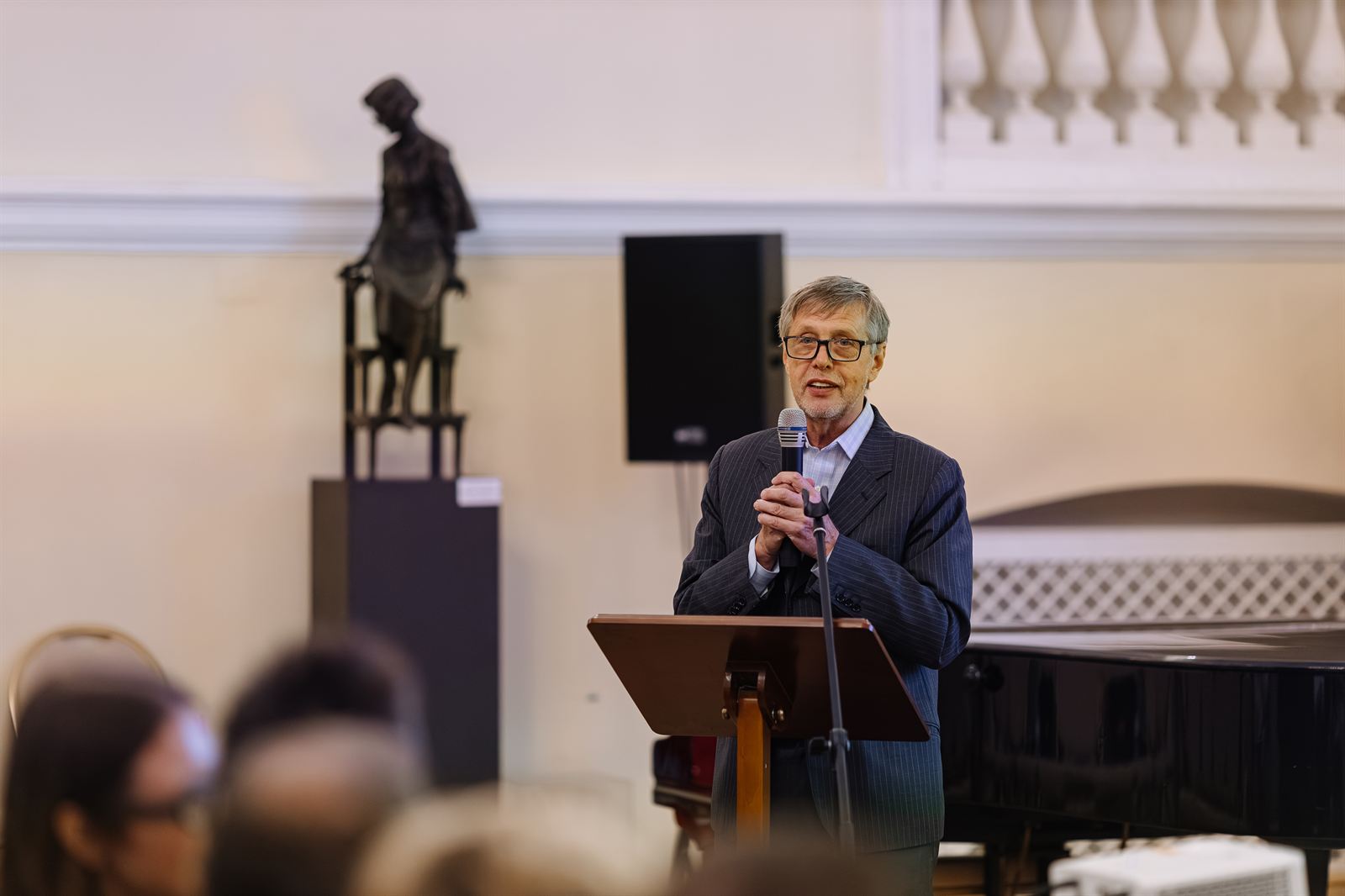 Dr. Elena Borovskaya, Professor at the Ilya Repin St. Petersburg Academy of Arts, reminded the audience of the decisive role played by Carlo Rossi in shaping the appearance of imperial Pavlovsk. According to her, Rossi’s contribution to the architecture of the palace—and indeed of all St. Petersburg—justifies calling him “Great Carlo,” borrowing the title of a recent major exhibition devoted to Karl Bryullov.
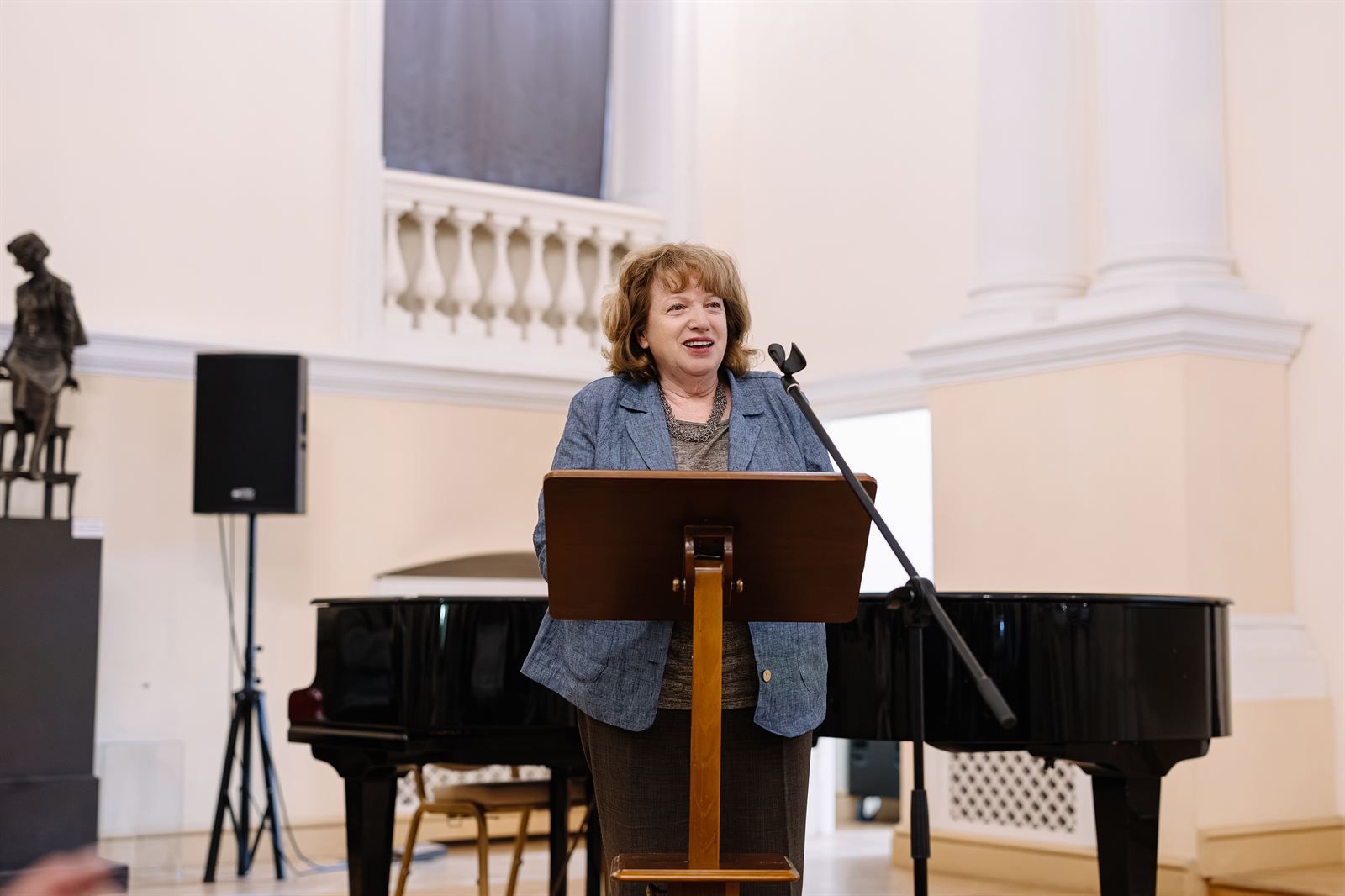 The program concluded with a presentation of a monumental sculpture of Emperor Paul I. Art historian and curator Pyotr Baranov and Ivan Chechot, Head of the Fine Arts and Architecture Department at the Russian Institute of Art History, spoke about the work of Leonid Baranov (1943–2022). They introduced the audience to Baranov’s oeuvre and his reflections on figures from Russian history such as Paul I, and shared their dream: to see the sculpture installed at the entrance to Pavlovsk by the town’s 250th anniversary.
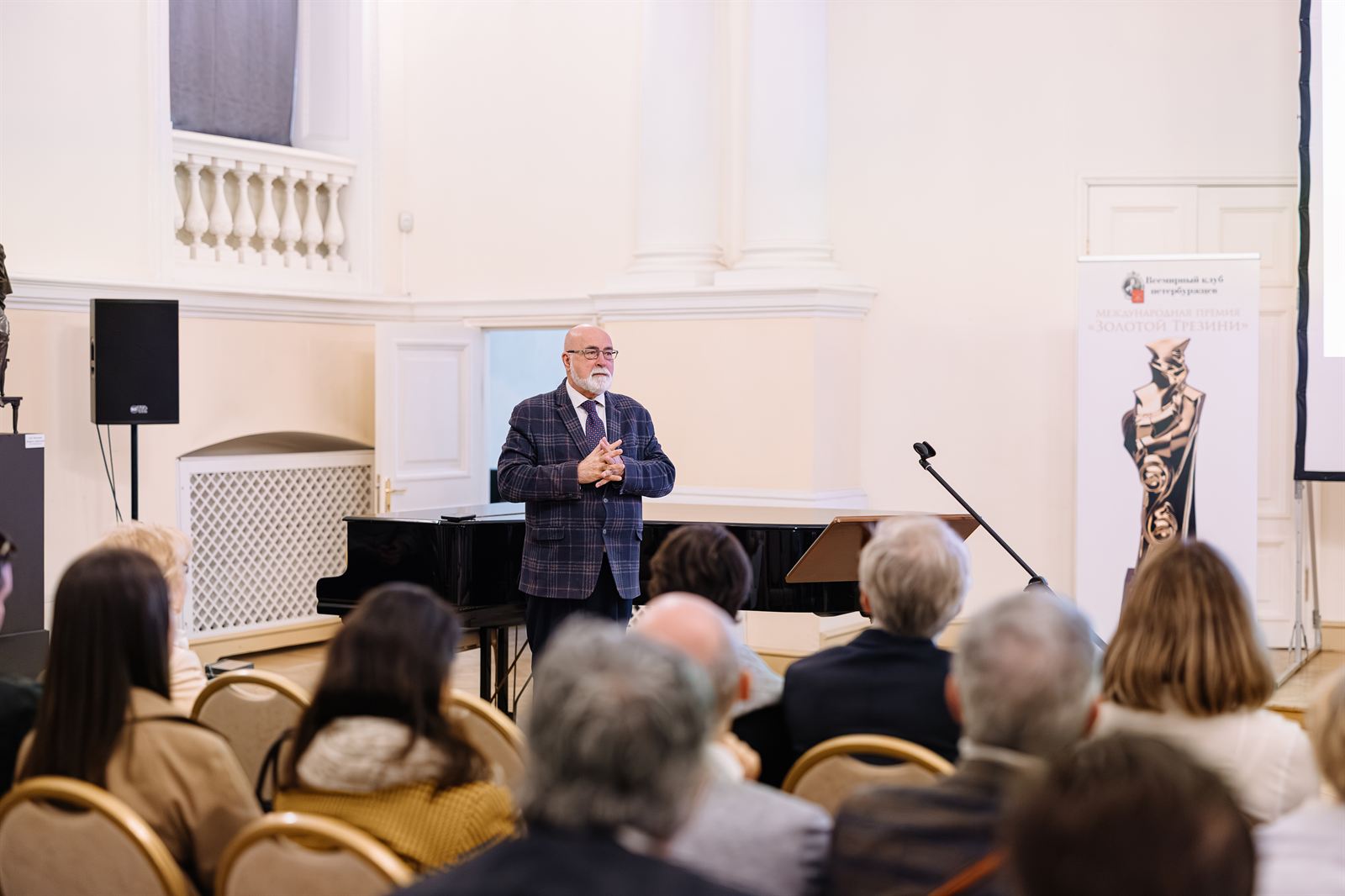 Summing up the meeting, the organizers emphasized the mission of the Golden Trezzini Awards, which its founders define as the advancement of “architectural diplomacy.” By bringing specialists from around the world together, architecture and art become the basis for dialogue that transcends political circumstances. This year, the call for entries to the 8th season of the Awards closes on September 17, with projects already submitted from 31 countries.
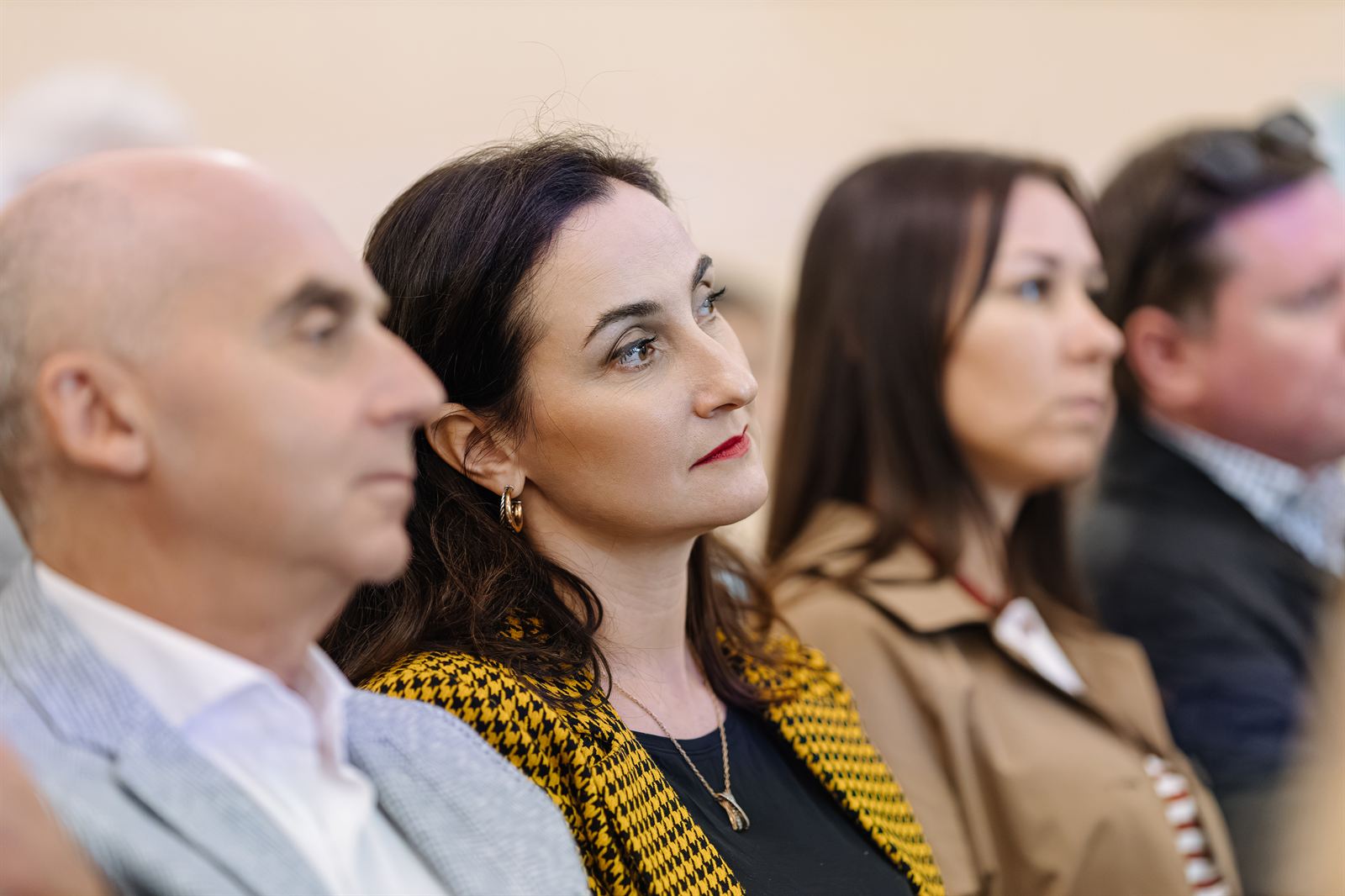
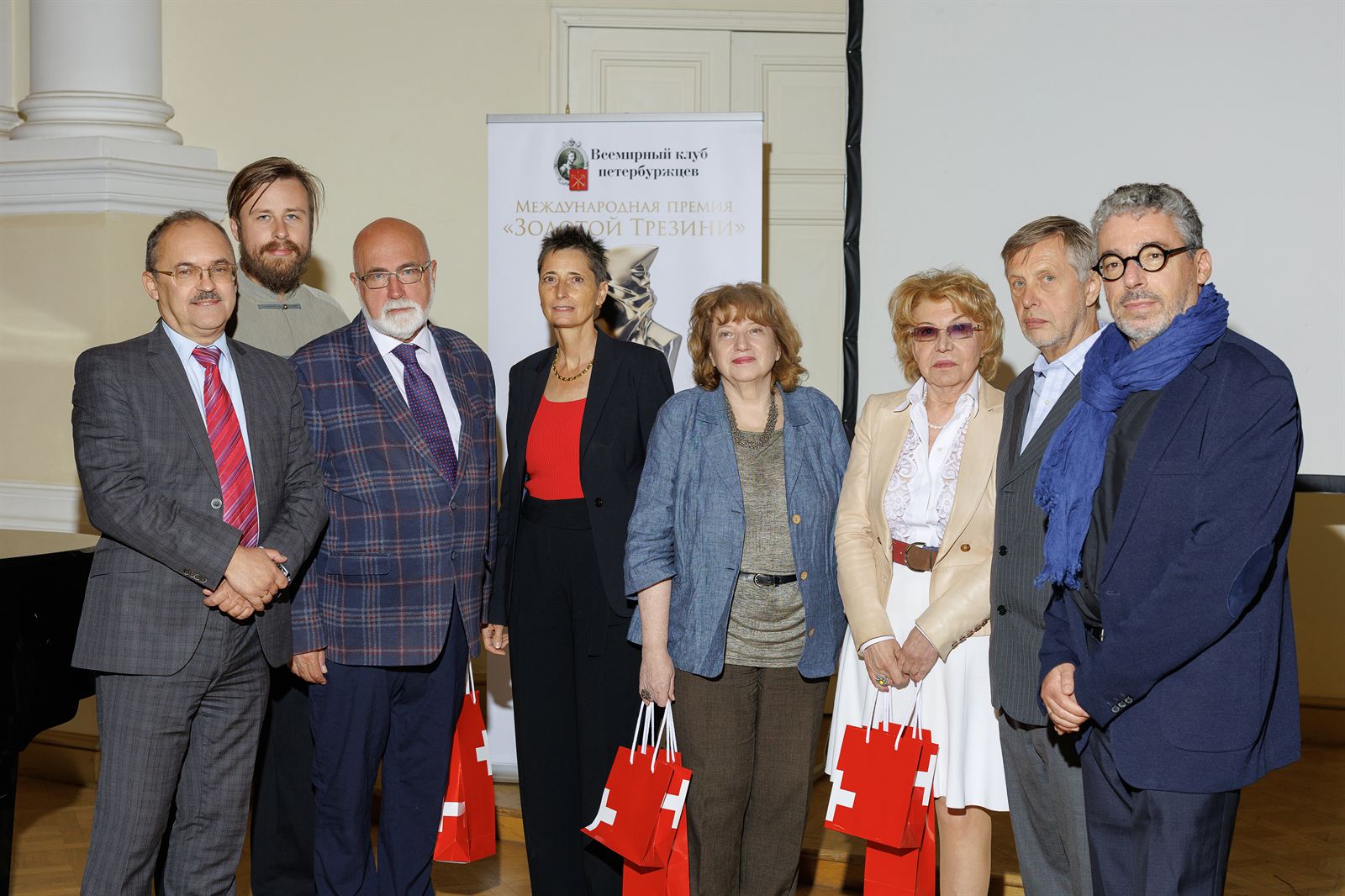 The symposium was attended by members of the diplomatic corps of several countries, as well as representatives of St. Petersburg’s international business community, underscoring the global nature of the dialogue and the significance of Pavlovsk as a cultural institution of global stature.
Other notable guests included Maxim Poletaev, Head of the Representative Office of the Russian Ministry of Foreign Affairs in St. Petersburg; Nana Gvichiya, Deputy Chair of the St. Petersburg Committee for Tourism Development; Marina Shaposhnikova, Chief Curator of the Mariinsky Palace; Vasily Yakovlev, Assistant to the Director of the State Museum St. Isaac’s Cathedral; Dmitry Grozny, Founder and Producer of the Lemon Guide Awards and restaurant expert; members of the Worldwide St Petersburg Club; experts and partners of the Golden Trezzini Awards; and staff of the Pavlovsk Museum-Reserve.
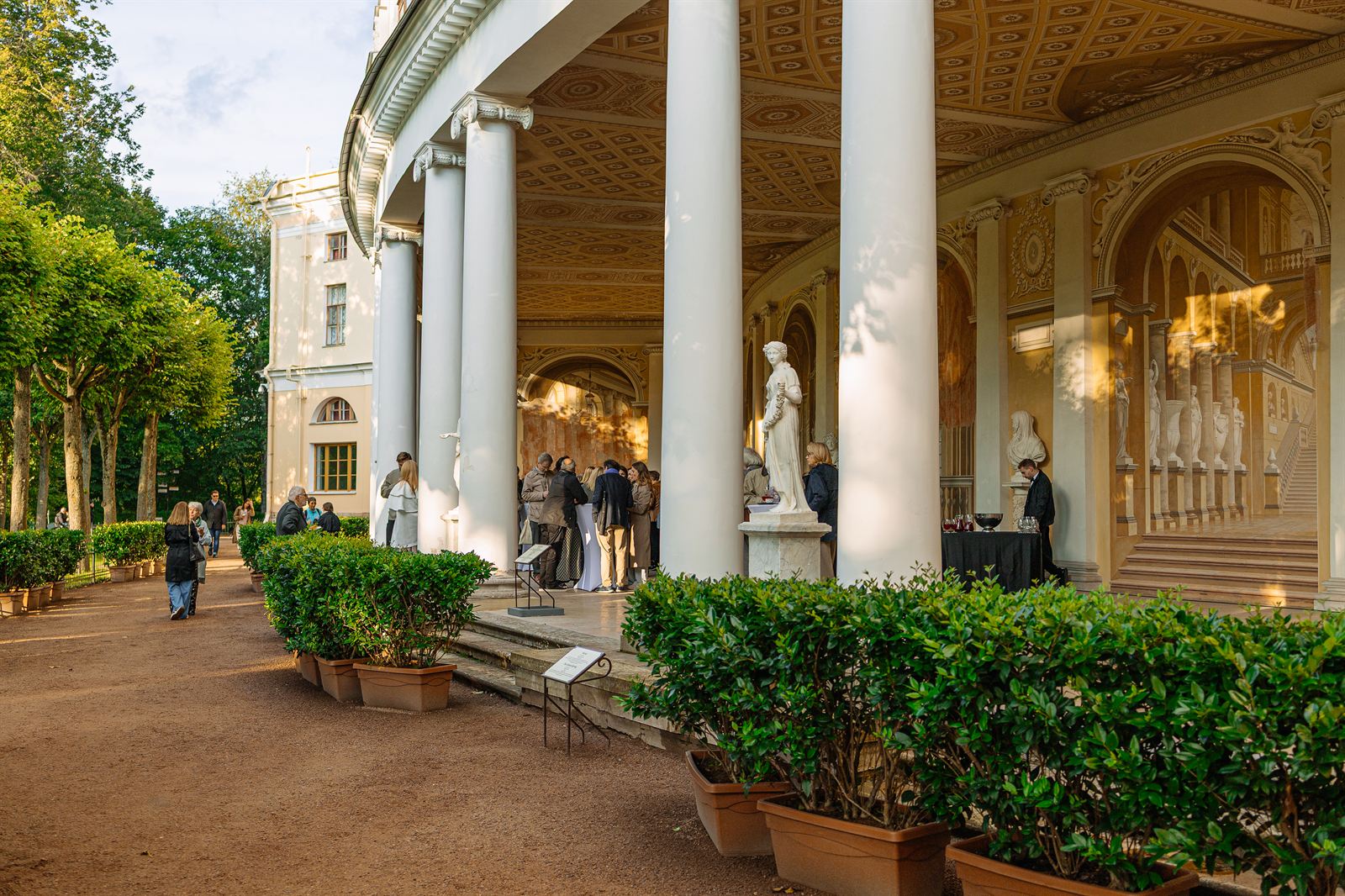
The meeting concluded with a cocktail reception in the famous Gonzaga Gallery, where participants continued their informal conversations.
The organizers and guests express their heartfelt gratitude to the staff of the Pavlovsk Museum-Reserve and personally to Vera Dementyeva for their hospitality and invaluable assistance in preparing and hosting the event.
The symposium was attended by members of the diplomatic corps of several countries, as well as representatives of St. Petersburg’s international business community, underscoring the global nature of the dialogue and the significance of Pavlovsk as a cultural institution of global stature.
Other notable guests included Maxim Poletaev, Head of the Representative Office of the Russian Ministry of Foreign Affairs in St. Petersburg; Nana Gvichiya, Deputy Chair of the St. Petersburg Committee for Tourism Development; Marina Shaposhnikova, Chief Curator of the Mariinsky Palace; Vasily Yakovlev, Assistant to the Director of the State Museum St. Isaac’s Cathedral; Dmitry Grozny, Founder and Producer of the Lemon Guide Awards and restaurant expert; members of the Worldwide St Petersburg Club; experts and partners of the Golden Trezzini Awards; and staff of the Pavlovsk Museum-Reserve.
The meeting concluded with a cocktail reception in the famous Gonzaga Gallery, where participants continued their informal conversations.
The organizers and guests express their heartfelt gratitude to the staff of the Pavlovsk Museum-Reserve and personally to Vera Dementyeva for their hospitality and invaluable assistance in preparing and hosting the event.
 Photos: Elik Yafarov
More news of the Golden Trezzini Awards: https://goldtrezzini.ru/news/ Follow us on social media: https://www.facebook.com/trezziniawards/ https://www.instagram.com/trezziniawards/ https://www.youtube.com/@goldentrezziniawards
On August 28, the Worldwide St Petersburg Club and the Organizing Committee of the Golden Trezzini Awards, together with the Pavlovsk Museum-Reserve, hosted a cultural and scholarly journey to one of Russia’s premier palace-and-park ensembles. The program opened with a tour of the park and palace, followed by a session in the Concert Hall.
The meeting was initiated in anticipation of the 250th anniversary of the ensemble, which will be celebrated in 2027. The organizers plan to hold a series of similar events leading up to this milestone.
The central event of the day was the symposium “Imperial Pavlovsk: Artistic Heritage and Its Creators.” Welcoming remarks were delivered by Vera Dementyeva, Director of the Pavlovsk Museum-Reserve; Pavel Chernyakov, Chairman of the Organizing Committee of the Golden Trezzini Awards; Béatrice Latteier, Consul General of Switzerland in St. Petersburg; and Andrey Melnikov, Head of Science, Technology, Education & Innovation at the Swiss Embassy in Russia.
The participation of representatives of the Swiss diplomatic mission was no coincidence. The symposium program paid particular attention to the contribution of European masters, including those from Switzerland, to the creation of the Pavlovsk ensemble.
In her address, Vera Dementyeva outlined the global significance of Pavlovsk in artistic culture, pointing to some unexpected ways in which the imperial residence, as a holistic artistic phenomenon, influenced not only Russian but also European culture.
Alexey Guzanov, Deputy Director for Collection Management and Chief Curator of the Pavlovsk Museum-Reserve, focused his talk on two outstanding Swiss figures who left their mark on Pavlovsk. The first was Johann Jakob Meyer, a renowned watercolorist of the mid-19th century, whose views of imperial palaces and gardens around St. Petersburg are invaluable for studying and reconstructing the authentic appearance of historic buildings and landscapes. A large collection of Meyer’s works is preserved in Pavlovsk, and for the symposium a special exhibition of his views of the park and palace was mounted in the Concert Hall. The second figure highlighted by Guzanov was architect Henri François Gabriel Viollier, “Inspector of the Cabinet of Paintings and Prints” at the court of Paul I and the principal creator of the interiors of the Pavlovsk Palace. Viollier also designed the interior of the park pavilion “Old Chalet,” which was irreparably damaged during the Second World War and only began to be restored in the 21st century. Today, the pavilion is almost fully rebuilt.
Dr. Elena Borovskaya, Professor at the Ilya Repin St. Petersburg Academy of Arts, reminded the audience of the decisive role played by Carlo Rossi in shaping the appearance of imperial Pavlovsk. According to her, Rossi’s contribution to the architecture of the palace—and indeed of all St. Petersburg—justifies calling him “Great Carlo,” borrowing the title of a recent major exhibition devoted to Karl Bryullov.
The program concluded with a presentation of a monumental sculpture of Emperor Paul I. Art historian and curator Pyotr Baranov and Ivan Chechot, Head of the Fine Arts and Architecture Department at the Russian Institute of Art History, spoke about the work of Leonid Baranov (1943–2022). They introduced the audience to Baranov’s oeuvre and his reflections on figures from Russian history such as Paul I, and shared their dream: to see the sculpture installed at the entrance to Pavlovsk by the town’s 250th anniversary.
Summing up the meeting, the organizers emphasized the mission of the Golden Trezzini Awards, which its founders define as the advancement of “architectural diplomacy.” By bringing specialists from around the world together, architecture and art become the basis for dialogue that transcends political circumstances. This year, the call for entries to the 8th season of the Awards closes on September 17, with projects already submitted from 31 countries.
The symposium was attended by members of the diplomatic corps of several countries, as well as representatives of St. Petersburg’s international business community, underscoring the global nature of the dialogue and the significance of Pavlovsk as a cultural institution of global stature.
Other notable guests included Maxim Poletaev, Head of the Representative Office of the Russian Ministry of Foreign Affairs in St. Petersburg; Nana Gvichiya, Deputy Chair of the St. Petersburg Committee for Tourism Development; Marina Shaposhnikova, Chief Curator of the Mariinsky Palace; Vasily Yakovlev, Assistant to the Director of the State Museum St. Isaac’s Cathedral; Dmitry Grozny, Founder and Producer of the Lemon Guide Awards and restaurant expert; members of the Worldwide St Petersburg Club; experts and partners of the Golden Trezzini Awards; and staff of the Pavlovsk Museum-Reserve.
The meeting concluded with a cocktail reception in the famous Gonzaga Gallery, where participants continued their informal conversations.
The organizers and guests express their heartfelt gratitude to the staff of the Pavlovsk Museum-Reserve and personally to Vera Dementyeva for their hospitality and invaluable assistance in preparing and hosting the event.
Photos: Elik Yafarov
More news of the Golden Trezzini Awards: https://goldtrezzini.ru/news/ Follow us on social media: https://www.facebook.com/trezziniawards/ https://www.instagram.com/trezziniawards/ https://www.youtube.com/@goldentrezziniawards
01.09.2025
08:40
9 months ago
Updated: 01.09.2025